Terrorist shot after attempting to stab IDF soldier operating in West Bank, no IDF injuries
A terrorist armed with a knife attempted to stab an IDF soldier in the Jenin area in the West Bank on Thursday morning.

A terrorist armed with a knife attempted to stab an IDF soldier in the Jenin area in the West Bank on Thursday morning.


“We are not seeking escalation or war with either Turkey or Syria. But a redline was crossed," Israel's envoy to the US, Yechiel Leiter, told the Post.

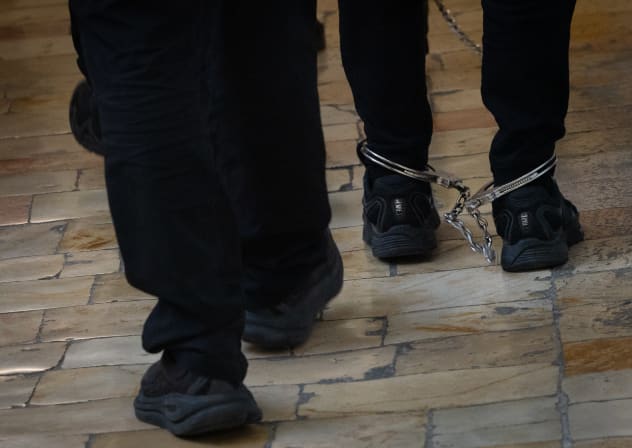
Prosecutors asked the court to keep all three defendants in custody until the end of the proceedings.
“I think today the mall needs to reinvent itself,” Seven Stars Mall CEO Yaniv Fainshnider said.

“It cannot be that someone in a position of power will decide that because they don't like what a broadcaster is saying, that microphone should be ‘turned off,’” wrote Justice Yechiel Kasher.

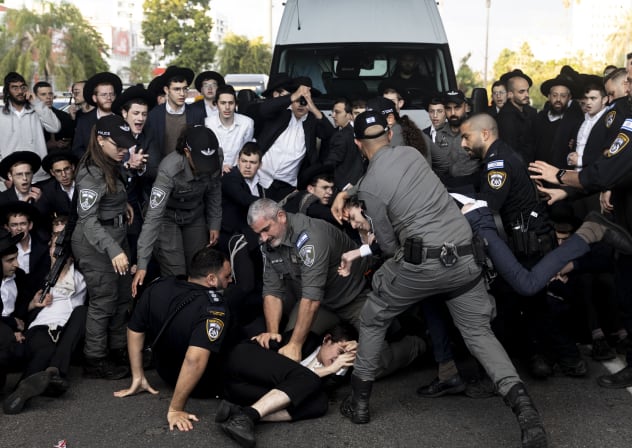
Military officials said the enforcement gap stems largely from fewer arrests, since prosecutions generally begin only after draft evaders are detained or report to military facilities.
The arrests followed a months-long investigation into suspected human trafficking, pimping, and causing women to leave another country for the purpose of prostitution, according to police.

Police said officers found bottles of alcohol, property suspected of having been taken from the apartment, and tools belonging to workers at the damaged site in the man's possession.

The movie explores the lives of seven characters whose personal crises are overshadowed by October 7, forcing them into a desperate fight for survival and to confront buried truths.

Netanyahu's comments come as a surprise workers' strike at Ben-Gurion concluded at 3:00 p.m. after disrupting the travel plans of approximately 100,000 passengers.

"When there is a will, we saw that things can indeed be done," said Yeros in a sit-down with her father on Maariv's Education on the Agenda podcast.
