The Jerusalem Post
Jpost search icon google-icon iphone
  Set as Homepage
Wed, May 22, 2013   13 Sivan, 5773
newspapers magazines
 
    • Breaking News
    • Diplomacy & Politics
    • Defense
    • National
    • Mideast
    • Syria
    • Iran
    • World
    • Business
    • Sports
    • Health & Science
    • Environment
  • Video
  • Opinion
    • Columnists
    • Editorials
    • Op-Eds
    • Letters
  • Jewish World
  • Lifestyle
    • Arts & Culture
    • Food & Wine
    • Travel
  • Features
    • Insights & Features
    • Week in review
    • On the Web
    • Shalva Superheroes
    • Obama in Israel
  • Blogs
    • In the news
    • Judaism
    • From the Middle East
    • Lifestyle
    • Aliya
    • Science and Technology
  • JPost Apps
    • iPhone app
    • iPad app
    • Android app
    • Twitter
    • Facebook
    • RSS feeds
    • JPost Toolbar
    • JPost Newsletter
    • JPost Alert
  • Premium Zone
    • The Jerusalem Report
    • The Experts
    • 20 Questions
    • e-paper
    • Ivrit
    • Christian Edition
    • Dash
    • Magazine
    • Metro
    • In Jerusalem
  • French
    • Politique & Social
    • Affaires Palestiniennes
    • Diplomatie & Monde
    • Art & Culture
    • Israel
  • Green Israel
JPost Learn Hebrew  
Advertise with us  
Nefesh Guided Aliyah  
Eldan  
AFMDA  
Africa Israel Group  
Isram Group  
Kupat Ha  
JPost Twitter  
JPost Facebook  
Classifieds  


Breaking News
 
 
  • JPost.com
  • opinion
  • columnists
 

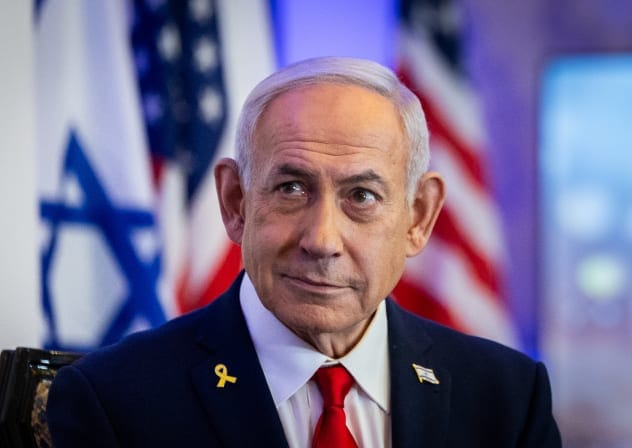
Washington Watch: Will Netanyahu follow his own advice?

By DOUGLAS BLOOMFIELD
08/12/2009 21:03
Tweet

Both Obama and Netanyahu can learn from Reagan's mistakes.

Washington Watch: Will Netanyahu follow his own advice?
The last thing Binyamin Netanyahu wants from Barack Obama is what Mahmoud Abbas and his Arab brethren are praying for - a comprehensive American Middle East peace plan. Rumors abound that one is in the works, but they appear based more on fear and hope than on any hard evidence. So far the administration can't even get the two sides to agree on the first step back to the negotiating table - a settlement freeze in exchange for reciprocal gestures by the Arabs. The Saudis, Jordanians and Kuwaitis have publicly rejected the incremental approach, but Obama's special envoy George Mitchell is still hoping to produce some kind of package which will give the parties the cover they need to return to negotiations. The president may give some clues about his plans when Egypt's Hosni Mubarak comes to Washington next week, but details are still a few weeks away, according to a State Department spokesman. THE ADMINISTRATION is said to be divided on its approach to peacemaking, no doubt because so many cooks are stirring the pot. In addition to Mitchell, who nominally works for the State Department, and his boss, Secretary Hillary Clinton, there are Dennis Ross and Dan Shapiro at the National Security Council and their boss, Gen. Jim Jones, plus top White House aides Rahm Emanuel and David Axelrod and assorted other advisers plus Vice President Joe Biden, the former chair of the Senate Foreign Relations Committee. The first Mideast peace conference may have to be a White House staff meeting. There is much talk but no hard evidence that the Obama administration is drafting a major peace plan along the lines of those produced by Richard Nixon, Ronald Reagan and Bill Clinton. All, of course, failed. Defense Minister Ehud Barak last week predicted Washington would offer its own peace proposal "in the coming weeks," and that "Israel must take the lead in accepting the plan." Obama is more likely to opt for a PR campaign featuring him and top aides in interviews with Israeli and Arab media - plus a presidential visit - to define the administration's vision of peace and how to achieve it. That is likely to be followed by an all-parties conference if there's a solution to the settlements imbroglio. The last American president to offer a comprehensive peace proposal was Ronald Reagan 27 years ago, and it was doomed by "flawed tactics and timing," according to Sam Lewis, the American ambassador who presented the plan to prime minister Menachem Begin. Whether the US offers a conflict-ending peace plan or a series of bridging proposals, both Obama and Netanyahu can learn from Reagan's mistakes. Netanyahu was personally involved as the deputy chief of mission at the Washington embassy at the time, and more than most, he should know that how the two sides respond initially will be critical. Reagan had cleared his peace plan in advance with the Saudis, Egyptians and Jordanians, but not Israel, which had no opportunity for any input. That "stunned" and infuriated Begin, "hardened the Israeli reaction and converted a probable failure into a certain one," Lewis wrote later. Netanyahu was in charge at the embassy because ambassador Moshe Arens was back in Jerusalem on August 31, 1982, when Lewis briefed Begin the day before Reagan was to unveil his plan. Netanyahu's advice to Begin, according to a source in close contact with the future prime minister at the time, was to keep calm despite his feelings of betrayal, and say there are positives and negatives in the plan and the two leaders needed to sit together and discuss it. Meanwhile, he suggested saying Reagan had put the proverbial ball in the Arabs' court and Israel was awaiting their response. Netanyahu, like some others around Begin as well as leading pro-Israel lobbyists in Washington, was confident that the Arabs would eventually reject any proposal for a conflict-ending peace, so Israel should mute its response and let the Arabs play the role of spoiler. But Begin was too deeply offended by Reagan's snub and wanted to make sure his rejection came through loud and clear. One of the Likud's young princes later told me he advised Begin, "If you have to say no, coat it with as much sugar as possible." Begin rejected that advice as well. He wanted no misunderstandings. Begin called it "the saddest day of my life" as prime minister and Reagan's treatment of Israel - particularly his letting the "anti-Israel, Islamic fanatics" of Saudi Arabia "determin(e) our future" while concealing the plan from Israel - was "entirely unacceptable." The Reagan plan, he said, "would endanger our very existence." Netanyahu's advice to Begin was sound and prophetic. Begin, with his hasty, angry rejection, wound up taking most of the blame for the failure of the plan. The larger portion of responsibility belonged to Reagan for his mishandling of the proposal, which included clearing it with the Arabs while keeping Israel out of the loop and attempting to pressure Israel by cutting aid. And plenty of blame goes to the Arabs who kept Reagan dangling for six months before refusing to give him the backing he expected. There's a lesson here for both Obama and Netanyahu: Don't follow your predecessor's example.
  • Send
  • Large
  • Small
  • Print
  • Share
This article is by :
Douglas Bloomfield
Recent stories:
  • Washington Watch: Whose Israel is this?
  • Time for Arab League to take the plunge
  • Washington Watch: Arab League to take th...
  • Obama’s dilemma: No good options in Syri...
Most Viewed in
1
Jordan’s king trying to play on Israel’s fears
2
No holds barred: Was the Holocaust punishment for sin?
3
Storming the Bastille of Israel’s religious bureaucracy
4
The American frienemy
JPost Community
Tweet
Share this article
Tweet
Share
Send
Your comment must be approved by a moderator before being published on JPost.com. Disqus users can post comments automatically.

Comments must adhere to our Talkback policy. If you believe that a comment has breached the Talkback policy, please press the flag icon to bring it to the attention of our moderation team.
JPost Services
conferenceConference
newsletterNewsletter
iphoneMobile Apps
kotelcamKotel Cam
kolboJPost Alert
premiumPremium
JPost TV News  
Mobile Apps  
Bank Hapoalim  
Meir Panim  
Yad Ezra  
Rambam Hospital  
TourLuxe  
Zev Goldstein PLLC  
Penrose Gallery  
JPost Premium Zone  
JPost kotel Camera  
         
 
Israel Focus
JPost TV News
Coming soon to a screen near you!  
Nefesh B'Nefesh Guided Aliyah
Already living in Israel? Enjoy the Benefits of Aliyah!  
Give "Freedom" this Passover
to needy Israeli families. Donate now  
War Threatens
Protect the People of Northern Israel  
Intelligence Squared
The international debate forum, announces it is coming to Israel  
Bank Hapoalim
Israeli's number one bank  
Jerusalem Post Lite
Lite Edition of the Jerusalem Post for English improvement  
Learn Hebrew with us
Get 10 minutes free personal coaching in Hebrew through phone or Skype  
JPost newspapers
Sign up for the JPost newspapers and receive one month free subscription  
Kosher English Magazine
English language weekly magazine - especially for religious people  
JReport Kindle Edition
Now you can get the Jerusalem Report directly to your Kindle  
JPost Premium Edition
The very best articles are available only in our Premium edition  
Lifestyle Magazine
 
 
Real Estate
Don't Look For a House!
In Israel, our website will do it for you!  
 
Travel
Eldan Rent a Car
20% off all Car Rental Reservations in Israel  
Hertz Car Rental
Special Online Discounts!  
The King David Jerusalem Hotel
One of the world's truly iconic hotels, and a Jerusalem landmark  


Sites Of Interest:

Jerusalem Hotels
KKL-JNF
Poalim Online
BreitBart.com
Our Friends
Jerusalem Attractions
Jerusalem Tours
itraveljerusalem.com

JPost sites:

Learn Hebrew
The Jerusalem Report
Our Magazines
JPost Edition Francaise
Green Israel
Christian World
Jerusalem Post Lite

Services:

JPost Mobile Apps
JPost Premium
JPost Newsletter
JPost Toolbar
JPost News Ticker
JPost RSS feeds
JPost Archives
JPost Alert
JPost Kotel Cam

JPost Conferences:

NYC Conference
Diplomatic Conference

Information:

About Us
Feedback
Staff E-mails
Copyright
Sitemap
News Partners
Advertise with Us
Price List
Statistics
Ad Specs
Terms Of Service
Jpost.com, the online edition of the Jerusalem Post Newspaper - the most read and best-selling English-language newspaper in Israel. For analysis and opinion from Israel, the Jewish World and the Middle East. Jpost.com offers expert and in-depth reporting from Israel, the Jewish World and the Middle East, including diplomacy and defense, the Palestinian-Israeli conflict, the Arab Spring, the Mideast peace process, politics in Israel, life in Jerusalem, Israel's international affairs, Iran and its nuclear program, Syria and the Syrian civil war, Lebanon, the Palestinian Authority, the West Bank and Gaza Strip, Israel's world of business and finance, and Jewish life in Israel and the Diaspora.
 
About Us | Advertise with Us | Subscribe | Premium | Newsletter | RSS | Contact Us
 
All rights reserved © The Jerusalem Post 1995 - 2012