Undecided voters should take a closer look at Bennett’s B’Yachad - opinion
Naftali Bennett’s B’Yachad offers Israel practical solutions, a new service law, and a unifying vision for the future.

Naftali Bennett’s B’Yachad offers Israel practical solutions, a new service law, and a unifying vision for the future.


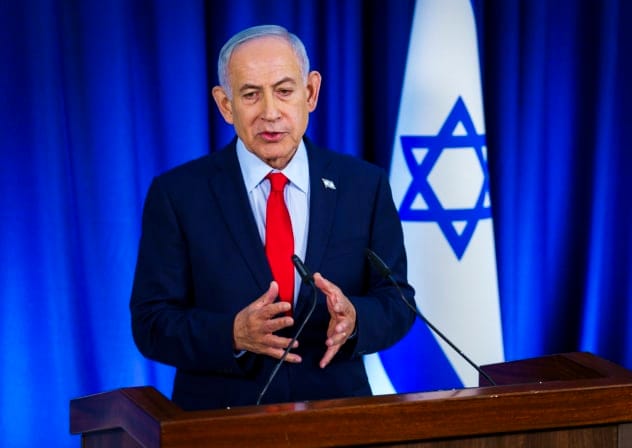
By presenting himself as Israel’s indispensable protector, Netanyahu has forged a bond with supporters that can withstand even profound failures.
Settler violence could expose the government’s security failures, but Israel’s political landscape makes it a risky issue for opposition leaders to raise.

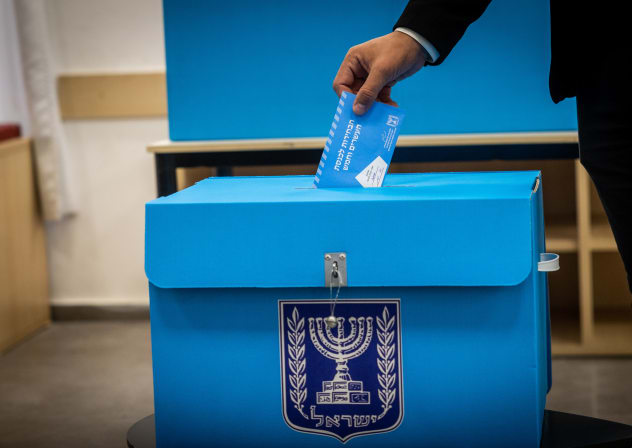
Israel deserves more than another election between yesterday’s failures. It deserves a new beginning.
No one should be above criticism or scrutiny. But criticism must be grounded in facts, and serious journalism must distinguish between evidence and speculation.

Organized crime, bigotry, never-ending war, Jewish terror in the West Bank – these are not our fate. If we get rid of this government, we could salvage our chances of living together here in peace.

Arab commentators are divided over whether Israel’s elections could revive regional diplomacy, but few expect a fundamental shift in policy toward the Palestinians.
Our ship is speeding toward an iceberg, but we still have time to change course, take the helm, and return to safe waters.

Shifting Western attitudes toward Israel could lead to the recognition of a Palestinian state, unless combated by a Zionist, statesmanlike, and liberal government.

US Rep. Ilhan Omar and NYC Mayor Zohran Mamdani are just two examples in a long line of turncoats – those who strive to undermine the very values that protect them.

The Jerusalem Post supports a carefully defined Israeli call for peaceful dialogue. Argentina deserves a fair hearing. The Falklanders deserve control over their future.
