Is Netanyahu planning an October surprise?
09/05/2012 22:48
Washington Watch: Is partisan rhetoric is aimed at preventing nuclear Iran and how much at preventing Obama’s reelection?
Obama supporters at Democratic National Convention Photo: REUTERS
As the Republicans and Democrats held their conventions and the presidential
election moved into the home stretch, the rhetoric and pressure coming out of
Israel for an attack on Iran intensified like the winds of Hurricane Isaac. It’s
difficult to tell how much is aimed at keeping Iran from getting a nuclear
weapon and how much at preventing Barack Obama’s reelection.
It is highly
unlikely that Iranian scientists will make their nuclear breakthrough by
November 6, so why the urgency? Israel’s prime minister and defense minister
seem anxious to go to war, and the sooner the better, a determination not shared
by most of their own generals and spymasters, past and present, a majority of
the public, the current and at least one former president of the country and
even a sizeable portion of the inner cabinet. So what’s the rush? It may be that
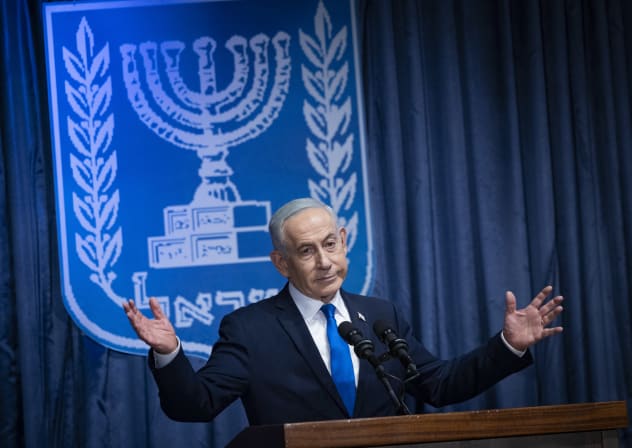
Prime Minister Binyamin Netanyahu sees a political window of opportunity closing
over the next two months, one that serves multiple purposes for him.
He
reportedly worries that the United States may not really want to take military
action against Iran at this time so by Israel acting first, especially just
before the election, Obama would have no choice but to give full backing to a
war he may feel is premature and not in America’s national interest at this
time.
An October surprise would also give Netanyahu and the Republicans a
platform for saying his failure to solve the problem through diplomacy and
economic pressure had “forced” Israel to attack.
Channel 10 News reported
two weeks ago that Netanyahu “is determined to attack Iran before the US
elections.”
A reelected Obama may not feel the same pressure to follow
Israel’s lead, and a new Romney administration would need months to get
organized before it could be ready, even if it was still willing to “respect”
any Israeli unilateral decision, as candidate Romney’s campaign advisor, Dan
Senor, has said it would.
The impact on Israel’s relations with the
United States, regardless of who wins the White House, could be most damaging at
the Pentagon and the intelligence community because Israel needs and relies so
heavily on their friendship and cooperation, and they have consistently advised
against any attack in the near future.
Obama understands that limited
Israeli or American strikes are unlikely to stop Iran’s nuclear program and
certain to ignite widespread retaliation, drawing this country into a broader
conflict that would likely kill the current, fragile economic recovery, undercut
a US military already depleted by two long wars and damage a range of other
American interests.
On the political front, the anti-war Left in Obama’s
party and others opposed to a new war might well desert him if he is seen as
endorsing an Israeli attack.
Netanyahu has a well-deserved reputation for
meddling in American politics and has had rocky relations with Democratic
presidents during his two terms as prime minister. He has known Romney since
their days in finance in Boston and they share a number of friends, advisors and
financial backers. With such an overlap, it is not out of the question that the
two camps are coordinating their strategy for maximum political
impact.
Netanyahu sees Obama at his most vulnerable right now as he heads
into a very close election in which Republicans, who are making support for
Israel a partisan wedge issue.
The Israeli leader has said that until
Iran sees a clear red line that will trigger an American attack it won’t halt
its nuclear project.
As if in response, The New York Times reported this
week that Obama is considering steps “short of war” that would “forestall and
Israeli attack” while forcing the Iranians to quit stalling and begin taking
negotiations seriously.
One Israeli paper reported an “angry and
stressed” Netanyahu launched into a “tirade” with the American ambassador last
monthly accusing Obama of not doing enough to stop Iran.
The Israeli
media is almost in panic with reports such as that and another – since denied
and debunked – that Obama has secretly sent word to the Iranians that the US
will stand back if Israel decides to attack its nuclear facilities as long as
Iran doesn’t hit American facilities in the region.
Reports that joint
US-Israeli anti-missile exercises planned for next month have been scaled back
were interpreted by some as an ominous sign of diminished American support. Both
governments have denied that as well, saying the changes had no political
significance, but that won’t slow the rumor mill.
Another stream of
stories quoting unnamed “senior Israeli officials,” a term often used to
describe Netanyahu’s inner circle, says a second-term Obama will “punish”
Netanyahu for meddling in the US elections and “make Netanyahu pay for his
behavior.”
It is hard to watch the debate in Israel and not come away
with the impression that while the Iranian nuclear threat is the nation’s number
one strategic concern, the urgency coming out of the top leadership is motivated
in some part by a desire to exploit Obama’s political vulnerability by drawing
the United States into a conflict the president feels it – and he – can ill
afford.
©2012 Douglas M. Bloomfield. bloomfieldcolumn@gmail.com