Savir's Corner: Diplomacy in the digital age
09/06/2012 21:52
Diplomacy in this new era needs to be the art of making peace, connecting regionally and globally on trade, tourism, economic development and culture.
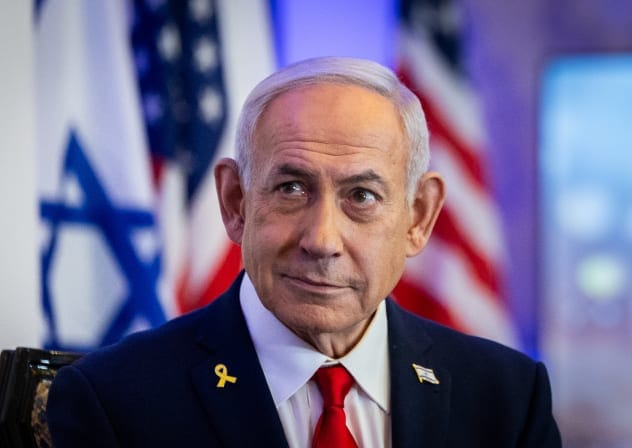
Vladimir Putin meets with Binyamin Netanyahu. Photo: Amos Ben Gershom / GPO
In the old days, diplomacy was defined as the art of the possible. Possible
coalitions, possible alliances, possible meetings of interests.
Between
leaders through their intermediaries, the ambassadors, diplomacy became the way
by which governments and countries interacted peacefully. It was governed by
very strict and formal rules – defined as diplomatic protocol – how to shake
hands, how to bow to a king, how to introduce yourself to a lady, etc.
To
be diplomatic generally meant not being straightforward, but being extremely
polite, gallant and convincing. The saying was that a good diplomat is a person
who can tell another person to go to hell in a way that that person will look
forward to the trip.
Diplomacy was mainly perceived as the interval
between wars, be it by brilliant coalition builders like Otto von Bismarck, or
builders of new alliances such as Harry Truman or Jean Monnet after World War
II. This diplomacy has passed from the world and more often than not has failed.
It was elitist in nature, serving the interests and the vanity of leaders, from
popes to emperors to heads of governments or tribes.
Three processes
brought an end to traditional diplomacy – globalization and the technology and
information revolutions. In many ways all three created a borderless world
through trade, tourism, movement of labor and people, and the ability to
instantly and globally communicate. In the new world, governments became less
relevant and effective, dictatorships virtually impossible, and people,
individuals and communities more influential in creating new communities driven
by common values and interests.
New empires were born, such as Facebook,
with a “population” (user base) of 900 million people. We are still undergoing
this groundbreaking revolution, barely comprehending its full ramifications for
the world at large and for the individual.
The information and technology
revolutions have brought about a fundamentally new way of communication that is
deeply affecting the nature of diplomacy through several important parameters:
•
Comprehensiveness and speed: Anyone around the world can communicate instantly
with others in every corner of the globe – be it through electronic mail or
social networks, including the use of video. This has made individuals better
heard, more relevant and empowered by society. Petitions with hundreds of
thousands of signatures are organized within days in order to affect
policy.
• Directness: People can address political leaders and
communicate with them directly; most leaders today have Facebook pages – Barack
Obama is running much of his reelection campaign on Facebook and Shimon Peres is
making new friends in the Arab world through his Facebook page.
•
Know-how: People are more knowledgeable due to the Internet and their ability to
consume information and news – Wikipedia is a source of knowledge in 285
languages with about 400 million readers worldwide.
• Inclusiveness:
Groups of people all over the world are organizing on the Internet and social
networks – Facebook, Twitter, YouTube etc. – and creating communities of common
values and interests in order to affect the political decision- making
process.
These cataclysmic changes can transform the notions of
democratic global and domestic governance and therefore of international
relations.
Societies don’t just elect leaders every few years, they can
now legitimize or delegitimize political decisions or politicians on an almost
daily basis.
The social networks have even become more influential than
mighty armies: see Tahrir.
In this transformed world, diplomacy must not
only adapt to the new technological and informational tools, but also help to
navigate countries and communities toward a more peaceful and prosperous world,
at the same time when extremist fundamentalist perpetrators of evil are engaged
in using the same vehicles for their violent and dangerous
goals.
Diplomacy in the digital age must therefore go through several
fundamental reforms:
• Heads of state and their ministers and diplomats have to
make the best use of the technological communication tools at their
disposal.
The famous 3 a.m. phone call can now be a satellite video, a
SMS or an email. Digital diplomacy is faster, more direct in approaching the
interlocutor and more succinct. “Hope this email finds you well” and then you
come directly to the point, ending with “awaiting your response in
return.”
Through the directness, a certain kinship can be developed, a
common digital language. Positions can be posted on Facebook and on Twitter (in
just 140 characters). More information, less words. Diplomatic processes can
happen faster, with fewer misunderstandings as there are fewer intermediaries to
carry information.
• The leaders of modern government and diplomacy have
to understand that their decisions need constant legitimization by a more
informed and reactive constituency. No matter what the current ruler of Egypt
decides, he knows that he continually needs the approval of the city squares and
the social networks. When it comes to peace negotiations – or for that matter
waging war – leaders will face almost daily referendums on the social
networks.
Diplomacy has become much more dependent on public opinion
legitimizing the process and the decisions.
• Therefore, leaders have to
address their constituencies and other relevant sectors of public opinion. The
international community is no longer merely a community of governments but a
community of people as well. They do and will have to engage people, not any
more through fireside chats, but by engaging in Facebook chats and sending video
messages on YouTube using the language of the young constituents.
• This
should and must provide a much more inclusive process. In parallel to more
traditional diplomacy there must be a critical process by which the informed
constituency is brought not just into account, but into the process
itself.
People almost all over the world, while proud of their heritage,
culture and often their religion, want to be part of this modern interconnected
world and understand that the key gateways to globalization are through peaceful
coexistence and economic development.
Diplomacy in this new era needs to
be the art of making peace, connecting regionally and globally on trade,
tourism, economic development and culture.
Modern peace diplomacy is
therefore the use of modern communication tools to achieve agreement, define
common interests and most important involve the people in these
processes.
The information and technology revolutions have created a
great opening for a new diplomatic process, a more democratic and inclusive one.
This is very true for peacemaking as without the legitimacy of the people, no
peace will be sustainable.
We witnessed this in Berlin last week at a
Middle East regional peace conference of the Facebook- based YaLa-Young Leaders
movement (with 165,000 members) – 20 young leaders from Israel, the Palestinian
Authority, Jordan, Egypt, Iraq, Lebanon, Tunisia, Morocco, Algeria and Kuwait
met and agreed on the first regional young generation peace initiative. It was
the culmination of months of dialogue and online meetings, which they have
naturally posted on Facebook and emailed to US President Barack Obama and to the
regional leadership.
Any peace diplomacy in the future will have to
listen to these and other young leaders. Some politicians will find it hard to
be constantly more attentive and inclusive of their
constituencies.
Others are already adapting to these profound global
changes. The latter group will engage in modern digital diplomacy, the former
may very well soon be out of office.
The writer is president of the Peres
Center for Peace and served as Israel’s chief negotiator for the Oslo Accords.