Israel’s biggest threats demand unity, not partisan warfare - opinion
Israelis must decide whether politics exists to strengthen the country – or whether the country itself will surrender its fate to partisan warfare.
Growing pressure on Israel reflects Europe’s search for cohesion in an era of political and cultural division.
Now, for the first time in a very long time, many Jews are beginning to ask whether the old architecture was ever truly capable of carrying the future.
I often find myself drawn to the story of Moses, who, when called, responded: "Why me?" Any of Moses’ traits might be understood in the context of autism
Sometimes the wisest diplomatic investments are not made where support is weakest but where friendship has already been proven. This is one of those times.
We Israelis and our supporters have wrung our hands over alleged hasbara failings for decades. But we owe it to ourselves to recognize that part of the alleged failures aren’t failures at all.
Tehran hoped the conflict would freeze regional integration and restore fear as the organizing principle of Middle Eastern politics. Instead, the war exposed the fragility of Iran's system.
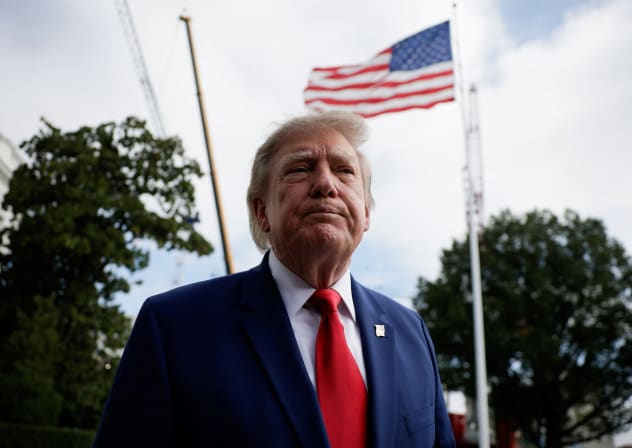
Trump’s domestic political standing is often tied to energy costs and inflation. Iran understands that a spike in oil prices can destabilize Western economies and fracture international coalitions.
Enlightenment philosophers envisioned open, tolerant societies. But they understood that a community without boundaries is as doomed as a language without grammar.
The United States is staying in Europe but refusing to live up to past expectations or terms. The relationship is moving from a near-absolute, unconditional guarantee to a conditional partnership.
The Foreign Ministry's diminished role reflects a broader failure to integrate diplomacy into national security.