Israel should rethink its approach to the United Nations - opinion
UN resolutions on Israel are increasingly spilling into courts, sanctions debates, and global boycott campaigns.
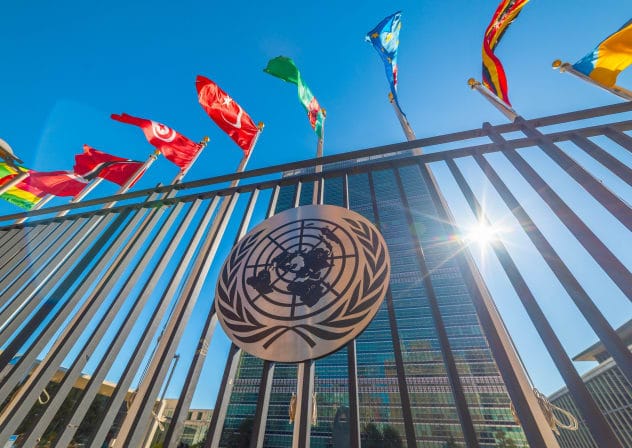
UN resolutions on Israel are increasingly spilling into courts, sanctions debates, and global boycott campaigns.


The government-backed initiative, advanced in partnership with JFNA, will focus on expanding access to Jewish education and strengthening Jewish identity among the next generation.

What exactly are they counting when they tally up “settler violence?” I’ve seen the reports, and I’ve lived the reality. The numbers aren’t just inflated, they’re ridiculous.
Israel’s bloated cabinet wastes taxpayer money, weakens governance, and exists largely to satisfy coalition politics.

If successfully implemented, the agreement could have implications beyond Lebanon and potentially inform future disarmament efforts in Gaza.

The deeper problem was the absence of a clear political vision for what would come after the protests.

Resolution 1701 promised many of the same objectives we are hearing today: the Lebanese government would exercise sovereignty over its territory, etc. On paper, it sounded convincing.

The claims hurled at the conference and in general against the Heritage Ministry’s plans for historical sites in Judea and Samaria are rather baseless.

While Washington initially expressed rhetorical support for the Kurdish opposition, it later issued more cautious messages discouraging active Kurdish involvement in the conflict.

The most dangerous assumption in foreign policy is not overestimating an enemy’s strength; it is assuming an enemy secretly wants what we want.

Israel has returned to the status of a “mistress” – a relationship acknowledged privately but concealed in public – that characterized its regional position before the Abraham Accords.
