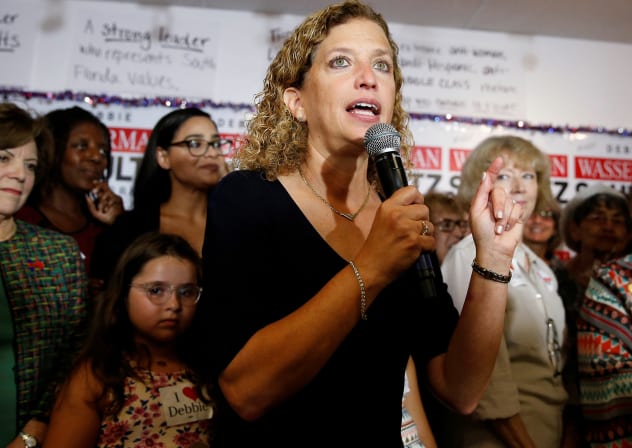
US-Israel ties deserve transparency before elections, not after - editorial
Elections are precisely when voters should be able to evaluate the strategic decisions their leaders are making.

Elections are precisely when voters should be able to evaluate the strategic decisions their leaders are making.


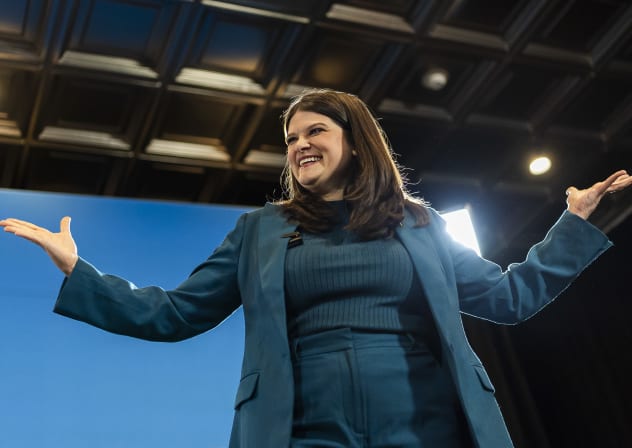
Haley Stevens' decision to endorse a Republican over concerns about antisemitism raises questions about Democrats' commitment to Jewish voters.
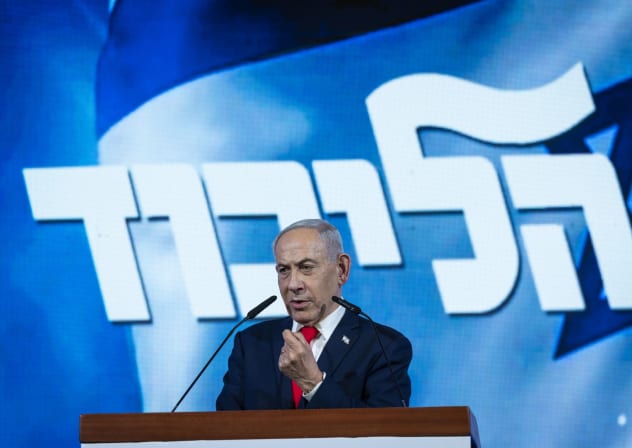
Israel cannot afford another divisive government. Its four leading politicians must put national interests ahead of personal grudges.

As the Zionist opposition leaders understand the necessity for Israel to move past Netanyahu, there is one last option, which is to unite with the Arab parties.
Together, we can bring about a new age of renaissance and flourishing for our people and all the citizens of Israel. A unified Israel can again serve as “a light unto all the nations.”

Thousands of years later, Hebron remains a place where Jews and Palestinians each understand themselves to have deep historical and religious roots.

As we approach the next stage in this ongoing saga, it is important to look back briefly and understand what happened at the White House before the United States and Iran signed their hollow MoU.

A political appearance by Abdul El-Sayed at a historic church raises questions about antisemitism and the responsibility of Christian leaders.

Amid the silence and condemnation that followed October 7, Boy George became an unexpected but powerful voice of solidarity.

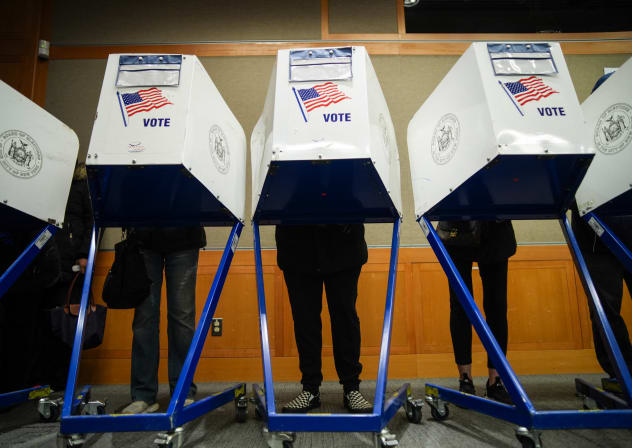
Congressional arithmetic will command attention as the election unfolds, as Israel will understandably examine what the results mean for assistance, diplomacy, and the future of the alliance.
Debbie Wasserman Schultz insists the Democratic Party remains pro-Israel, but its support for candidates who accuse Israel of genocide tells another story.