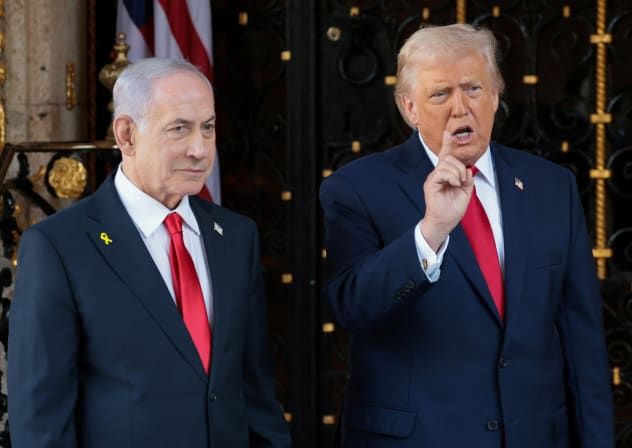
Ahmadinejad, ‘The New York Times,’ and media lies - opinion
Public opinion shapes political pressure. Political pressure shapes military decisions. And media narratives shape public opinion.
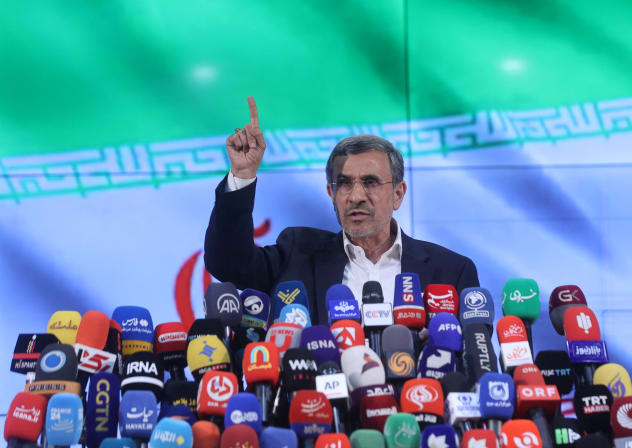
Public opinion shapes political pressure. Political pressure shapes military decisions. And media narratives shape public opinion.


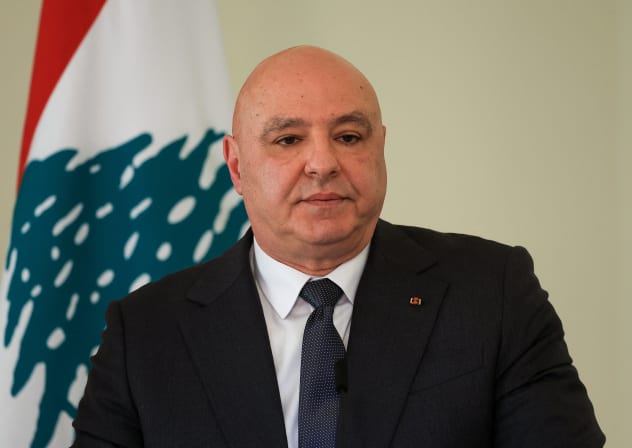
The restoration of national sovereignty is Lebanese President Joseph Aoun's priority.
History will not remember the diplomats who managed decline. It will remember the leaders who built the future.

We can bemoan those departing Israel at its greatest hour of need, in the face of open miracles and hard-won victories, but I believe that Israel will survive without them.

Our Sages explain that Shavuot is considered a “Rosh Hashanah” for the Torah. It is an appropriate time to dedicate ourselves to learning a specific part of the Torah or to join a Torah class.

Netanyahu and his coalition partners have decisively chosen a path that goes against the mostly liberal US Jews.
Hamas has forcefully preserved its monopoly on violence and remains the only Palestinian governing authority in the areas still under its control in Gaza.

China’s leadership may calculate that meaningful cooperation with Washington on Iran deserves reciprocal American flexibility on Beijing’s core national objective.

Have others now taken their cue from The New York Times? Has it now become okay to cite every hateful idiot that says he was raped by an Israeli?

Now, after 47 years, the CIA, in coordination with Mossad, may have assumed responsibility for a campaign against the Islamic Republic in pursuit of what many describe as a “new Middle East.”

A narrow agreement that freezes one file while funding the rest of the system would create the illusion of progress and the reality of danger.