Netanyahu warns of sanctions, opponents warn of collapse: Who's scaring voters? - analysis
Netanyahu's crypto contingency plan sparked warnings of economic collapse, while his own nuclear imagery showed how both sides are stoking election fears.

Netanyahu's crypto contingency plan sparked warnings of economic collapse, while his own nuclear imagery showed how both sides are stoking election fears.


In a separate Sunday statement, the IDF and Shin Bet announced they had apprehended a suspect allegedly intending to carry out a terror attack along a major road in the West Bank.

The IDF announced that its operation near the military checkpoint at the entrance to Hebron was aimed at locating terrorists and weapons and would include demolitions.

Artist Daniel Tchetchik’s Facing the Sea, created with Israeli nonprofit HaGal Sheli, features portraits and personal stories exploring trauma, resilience and the sea’s healing power.

The newly promoted team hosted an inspiring event with the Black university. Eric Rubin noted: "The goal is to fight Antisemitism and racism."

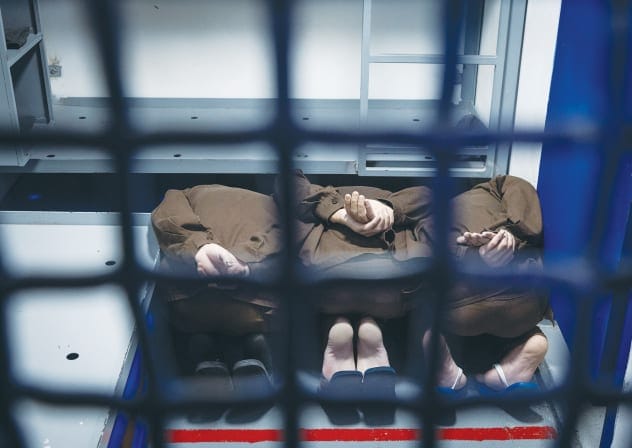
The appointment comes as Israel prepares a special military court in Jerusalem to try suspects in the October 7, 2023, Hamas-led massacre and the holding of hostages in Gaza.
Watch Tel Aviv University’s 2026 Honorary Degrees Ceremony live, featuring special coverage and exclusive interviews with honorees and distinguished guests on October 29 at 7:00 PM

Israeli midfielder Orian Goren, 17, makes history with a Barcelona El Clasico call-up as Hansi Flick shows growing faith in the young prospect.

Ariane Littman's latest run-out is on display at the former National Library of Israel building on the Givat Ram campus of the Hebrew University, within the framework of the Jerusalem Biennale.

With technology already eroding donor secrecy, petitioners asked the court to recognize a child’s right to know, as children conceived by a donor in Israel cannot learn their father’s identity

The Michael Levin Base is a nonprofit supporting lone soldiers and lone b’nei sherut before, during, and after their service.
