
Global markets opened the week in dramatic fashion on Monday, after a sharp spike in oil prices rattled equities and revived fears of a renewed global inflation wave. Brent and US crude futures surged by more than a quarter within 24 hours as traders reacted to escalating tensions in the Middle East.
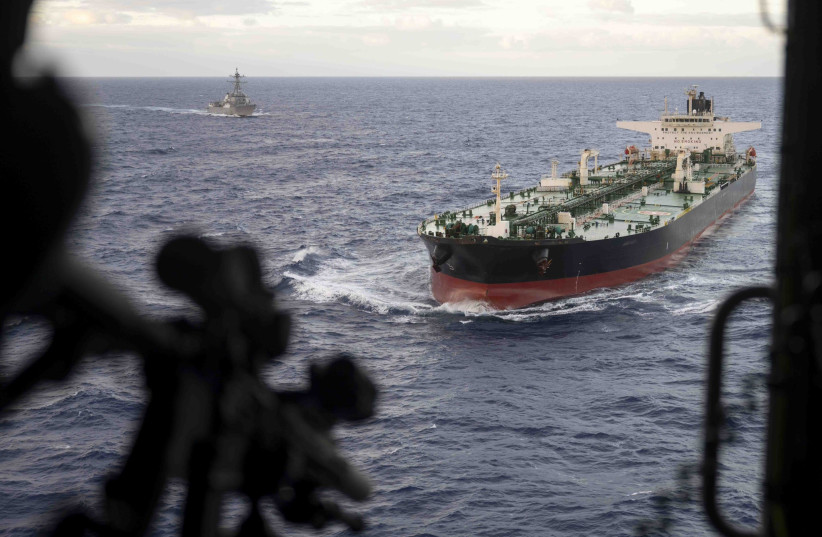
Brent crude rose about 26% to roughly $116 a barrel, while the US benchmark WTI climbed about 27% to a similar level. The move marked one of the sharpest single-day jumps since the late 1980s, fueled by concern over damage to Iranian energy infrastructure and disruptions in the Strait of Hormuz, through which about 20% of global oil supply passes.
Asian markets reel from oil shock
The reaction in Asia was immediate and severe. South Korea’s Kospi plunged more than 8%, triggering a circuit breaker that halted trading for 20 minutes, while Samsung fell more than 10%, and chipmaker SK Hynix lost over 12%.
Japan’s Nikkei dropped more than 7%, with technology and semiconductor stocks leading the slide. Markets in Hong Kong and mainland China also fell, with major indexes down about 2% to 3%.
US and Europe brace for further losses
The turmoil extended to Western markets. Futures on the Dow Jones Industrial Average fell about 1.7%, a loss of more than 800 points, while S&P 500 and Nasdaq futures were down about 1.6%, and Germany’s DAX dropped more than 2.5%.
Investor anxiety was also visible in the VIX, Wall Street’s fear gauge, which climbed more than 6%. The jump signaled expectations of sharper volatility as markets moved deeper into risk-off mode.
Inflation fears return to the forefront
At the center of the sell-off is concern that the conflict could hit global energy supply more broadly. Major oil producers in the region, including Iran, Kuwait, and the United Arab Emirates, have reduced output amid the security escalation and the possibility of a closure or severe disruption in the Strait of Hormuz.
Even so, the White House has sought to project calm. President Donald Trump stated on Truth Social that a brief increase in oil prices represents a minimal cost for mitigating the Iranian nuclear threat.
Markets are already trying to price the next stage of the crisis. On prediction platform Polymarket, about 76% of traders were betting that oil would reach $120 a barrel by the end of March, while the energy surge also raised fresh doubts over how soon central banks, led by the Federal Reserve, will be able to begin cutting interest rates.
In crypto markets, the response has so far been more restrained. Bitcoin traded around $67,500 with relatively limited volatility, while Ethereum and Solana, which are both cryptocurrencies, posted modest gains, suggesting investors still see the crisis primarily as a concentrated energy shock rather than a broader collapse across risk assets.
For now, the global financial system is entering a tense and highly volatile week, with traders increasingly betting that oil could hit $120 a barrel before March ends.