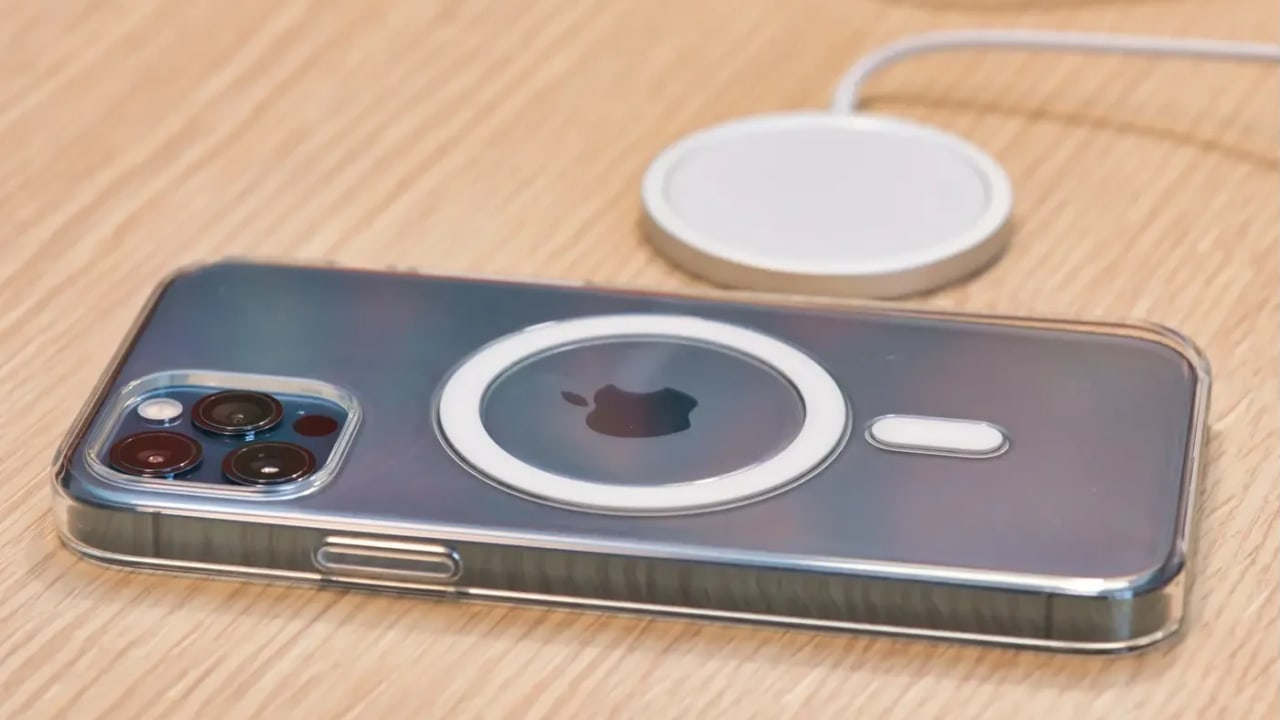
What began about five years ago as a major promise to change the way we charge the device and attach accessories to it is now becoming a focal point of internal controversy at Apple’s headquarters in Cupertino. The MagSafe technology, which was introduced with the iPhone 12 series and became an almost self-evident standard in every flagship device of the company, is now under renewed examination. According to a leaker known as "Instant Digital", the euphoria that surrounded the launch of the magnetic ring and the plans for aggressive expansion have given way to doubts regarding the future of the feature.
The history of MagSafe is full of intentions that did not always mature into a shelf product. Already in 2021 there were reports of an intention to integrate the magnets into the iPad Pro series, including experiments with a full glass back or an enlarged Apple logo made of glass to enable wireless charging. Despite the rumors that resurfaced ahead of the launch of the M4 models in 2024, the advanced tablets ultimately arrived without the feature, which perhaps marked the beginning of a decline in Apple’s confidence in the format.
The real cracks began to appear with the launch of the iPhone 16e, which was the first new iPhone in years to arrive without built-in MagSafe support. The move drew criticism from users, who were forced to rely on third-party cases that include magnets in order to continue using their existing accessories. Although Apple corrected course with the 17e and brought back the magnets, it seems that the debate over the balance between production cost and added value to the user is far from over.
The biggest challenge now stands before the much-talked-about foldable "iPhone Ultra" model. Dummy models of the device suggest that it may arrive without the internal magnetic array. The reason for this is likely physical: The thickness of the device when open is estimated at only 4.5 mm, which leaves very little room, if any, for the required magnetic components. If it is indeed launched without MagSafe, this would be a paradox: The most expensive device in the company’s history, with an estimated price tag of about 2,000 dollars, will be the one that gives up a feature that has become standard in much cheaper models.
At the moment it does not appear that MagSafe is about to disappear completely from the drawing board, but it is possible that we are witnessing a strategic shift. One option being considered is turning the magnets into a "Pro" feature only, while the base models - such as the future iPhone 18 - may undergo a "downgrade" to save costs. Another scenario speaks of Apple increasingly relying on case manufacturers, which will provide the magnets instead of the company integrating them into the device itself. However, in light of the fact that the new global wireless charging standard, Qi2, is based directly on Apple’s technology, a complete abandonment currently seems unlikely.