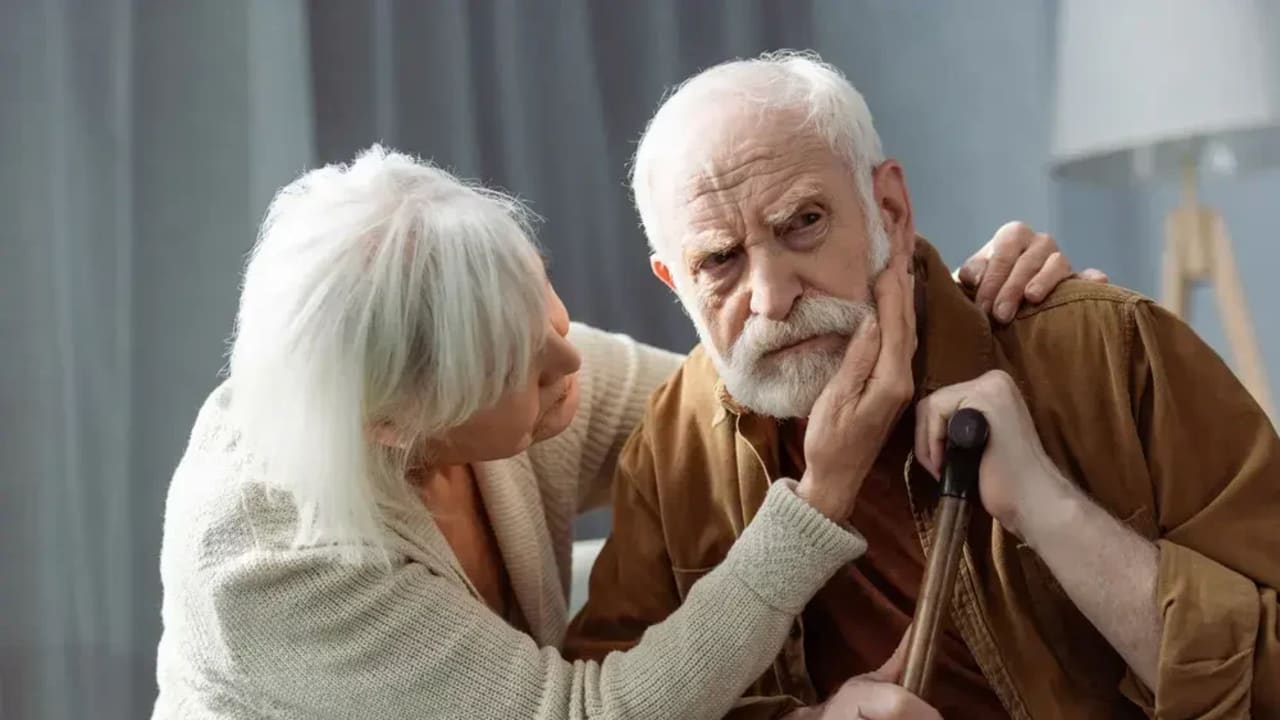
With the launch of Operation Roaring Lion and the escalation of tensions with Iran, most Israeli citizens are feeling pressure and concern. However, while young people rely on activity, open conversation and social media, the elderly experience this period in a completely different way.
"It is not just fear and not just anxiety", explains Dr. Roy Varona, the district geriatrician at Clalit Sharon Shomron District. "In the elderly, wartime stress is a multisystem physiological, cognitive and emotional response. The body reacts intensely".
According to him, experience from recent years shows that during every emergency period there is an increase in elderly patients seeking medical attention due to medical exacerbations. "Sometimes even without a direct connection to a siren. The psychological stress itself is enough to destabilize medical balance".
The body reacts first: Exacerbation of underlying diseases
An increase in stress hormones, adrenaline and cortisol, may lead to a wave of exacerbations in chronic diseases. Among the common conditions:
• Hypertension
• Heart diseases and arrhythmias
• Diabetes
• Chronic lung diseases
"In an elderly person with heart disease or unbalanced diabetes, prolonged stress can lead to rapid deterioration", emphasizes Dr. Varona. "We see an increase in complaints of chest pain, shortness of breath and elevated glucose levels".

Memory and thinking are also impaired
The harm is not only physical. Prolonged stress also affects cognitive functioning. Elderly individuals report confusion, memory decline, difficulty with orientation and sometimes even delirium, a state of acute sudden confusion.
"A state of stress impairs concentration and judgment", explains Varona. "For those who are already living with cognitive decline or dementia, the deterioration can be rapid and concerning".
Delirium during emergency periods is not uncommon, and it may manifest as restlessness, suspiciousness, sleep disturbances and sharp behavioral changes.
Deep memories resurface
Unlike young people, the older generation comes to security events with a heavy historical burden. Many have experienced previous wars, terrorist attacks, losses, and some carry trauma from the Holocaust period.
"Wartime stress may flood old traumas and reactivate them", says Varona. "These are moments when an old memory takes on new life. It is confusing and it is painful".
Retraumatization may cause heightened fear responses, a sense of loss of control, deepening loneliness and increasing dependence on others. Sometimes anxiety about the absence of medical services in case of escalation is also added.
In contrast to adults – young people tend to respond through action. Physical activity, open conversation and digital information consumption provide them with a sense of control.
"In the elderly, coping mechanisms are based on life experience, but less on flexibility", explains Varona. "It is harder to change patterns quickly, and information overload may overwhelm and burden".
In addition, many members of the older generation are accustomed to keeping emotions inside and are not quick to ask for help.
Warning signs that family members should recognize
Dr. Varona recommends being especially alert to:
• General decline in functioning
• Confusion or decreased orientation
• Sharp mood changes
• Sudden delirium
• Extreme fatigue or difficulty with mobility
• Multiple complaints of pain
"Even a small change may indicate deeper distress", he emphasizes.
What does work: Stability, control and support
According to Varona, the main goal is to create a sense of control. A clear and stable routine with fixed times for sleep, meals and medication strengthens a sense of security. Information should be calm, measured and simple, without unnecessary overload. Calm practice of emergency scenarios in advance may reduce anxiety in real time.
Daily family support is especially important. "Even one conversation a day can create a tremendous change", he says.
In certain cases, it is recommended to incorporate adapted psychogeriatric treatment that includes short supportive conversations, anxiety focused therapy, breathing and relaxation techniques, age adapted mindfulness and structured cognitive stimulation.
"The elderly’s coping with war is not marginal", concludes Dr. Varona. "It is a medical, familial and community responsibility".
According to him, proper care during a period such as Rising Lion must be integrative and personalized, while addressing the medical, emotional and functional condition of each individual.
And despite the complexity, he remains optimistic. "I see again and again how elderly people manage to rebuild a sense of meaning and resilience. When they are given structure, support and genuine listening, they flourish even within a storm".