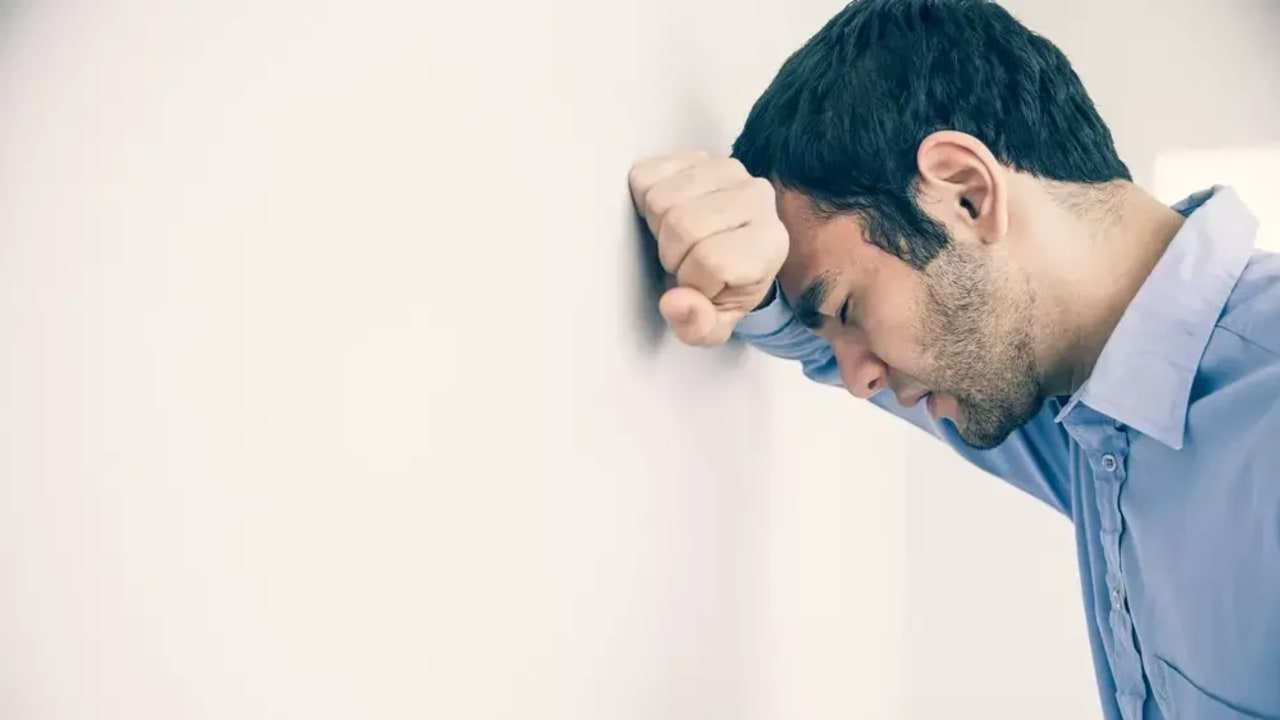
The war with Iran and the frequent sirens create a sense of loss of control. A sudden noise, alerts on the phone, and a flood of reports on social media immediately activate the body’s emergency mechanism. The heart rate rises, breathing becomes shorter, and the body prepares for a threat.
This is a normal biological response. The brain identifies a potential danger and activates the stress system. The problem begins when the state of alert continues for hours and days. Then anxiety does not protect but erodes.
Psychologists explain that panic does not improve the ability to act correctly. On the contrary. It reduces rational thinking, increases rumors, and impairs judgment. When acting according to Home Front Command guidelines and when a protected space is available, there is no benefit in prolonged emotional escalation.
The Brain Does Not Distinguish Between Immediate Danger and a Dramatic Headline
One of the problems in the current era is excess information. Videos, commentaries, and extreme forecasts flow without pause. The human brain has difficulty distinguishing between a real threat that is here and now and a theoretical discussion in a studio.
Each repeated viewing of the same footage raises the stress level again. Therefore, it is recommended to limit exposure to news to fixed and limited hours, rely only on official sources, and avoid endless scrolling on social networks.
Controlling the dosage of information is one of the most significant tools for reducing anxiety.
Most of the Time We Are More Protected Than It Seems
It is important to remember that Israel’s civilian defense systems are highly developed. There are protected spaces, early warnings, and clear guidelines. The very existence of sirens indicates that the alert mechanisms are operating.
The feeling of uncertainty is difficult, but in practice most citizens are, most of the time, in a relatively safe situation. This knowledge does not eliminate the risk, but it balances the picture and prevents catastrophic generalization.
Maintaining a daily routine is a key tool. Getting up at a fixed time, eating regularly, going out for a short walk if possible, and continuing work or studies as much as circumstances allow. Routine sends the brain a message of stability.
Simple breathing exercises can reduce heart rate and pressure within minutes. Deep and slow breathing, four seconds inhaling and four seconds exhaling, helps return the body to balance.
Moderate physical activity releases hormones that reduce tension. Even a conversation with a close person contributes to releasing stress. It is important not to remain alone with catastrophic thoughts.

And What About the Children
Children absorb the tension of adults. A simple, factual, and age-appropriate explanation reduces anxiety. There is no need to overwhelm with difficult details. It is enough to say that there is a security situation, that there are clear guidelines, and that we know how to act.
Preserving routine for children is even more important. Play, learning, and limited and supervised screen time are preferable to prolonged exposure to news.
When Should You Seek Help? If symptoms such as significant difficulty sleeping, frequent panic attacks, obsessive thoughts, or a feeling of impaired functioning appear, it is recommended to seek professional counseling. Seeking help is not weakness but responsibility.
Mental health assistance centers operate even during emergencies and can offer initial support.
In conclusion, the security situation is complex and causes concern. At the same time, panic does not improve security and does not protect us. Adhering to guidelines, reducing unnecessary exposure to information, maintaining routine, and strengthening social connections are the most effective tools for preserving personal resilience. Precisely in a period of incessant sirens, deep breathing and sound judgment are acts of responsibility.