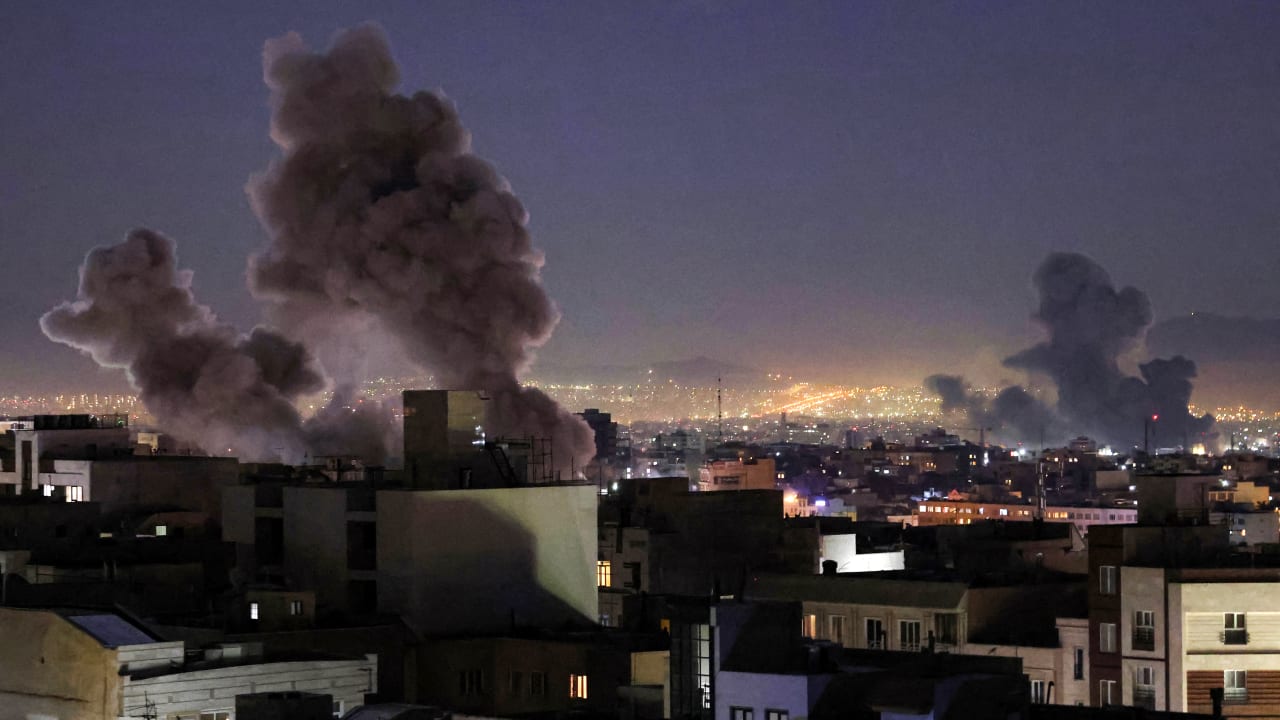
Despite Iran’s 75% reduction in ballistic missile launchers, the IDF believes that Tehran can continue its barrages on Israel for an extended period, the military said.
On Saturday night, the IDF had sought to reassure Israelis that, despite the spike in Iranian missile threat sirens – which send millions of Israelis into their safe rooms and bomb shelters throughout the day – the military was making progress and had destroyed 75% of Iran’s missile launchers.
The 75% number was a jump from 65% just two days before, showing continued progress.
Furthermore, military sources said that Saturday saw another drop in the number of missiles. One hundred missiles were fired on the first day of the war, and in recent days, the number has dropped to 20-25; now, it has been reduced to around a dozen missiles.
For a few days, Israel had not reported any massive hits, in contrast to the early days of the war when there were multiple hits.

However, there was a significant hit in Israel on Sunday and another on Monday. In addition, both the missile rate and the number of rocket sirens have not been reduced much in the last several days.
Early success does not mean an early end to the war
Accordingly, IDF sources suggested that early successes in reducing Iranian missile fire might not translate into wiping out missile barrages anytime soon.
By analogy, Hamas’s rocket fire was brought down significantly within a few weeks of October 7, 2023, but the terrorist group maintained semi-regular rocket fire until early January 2024.
The IDF has publicized its success in destroying large-scale Iranian ballistic missile sites.
The remaining 100-150 ballistic missile launchers and the remaining 1,000+ missiles are spread out among individual cells all over the Islamic Republic, the world’s 17th-largest country. As such, it could be exceedingly difficult to bring down the missile fire rate among the remaining 25% of launchers that have survived to this point.
A more modest hope may be to reduce missile fire so that the Islamic Republic no longer succeeds at causing casualties. This would bring it in line with Yemen’s Houthis’ missiles, which disrupted daily life from 2023 to 2025 but rarely caused casualties.