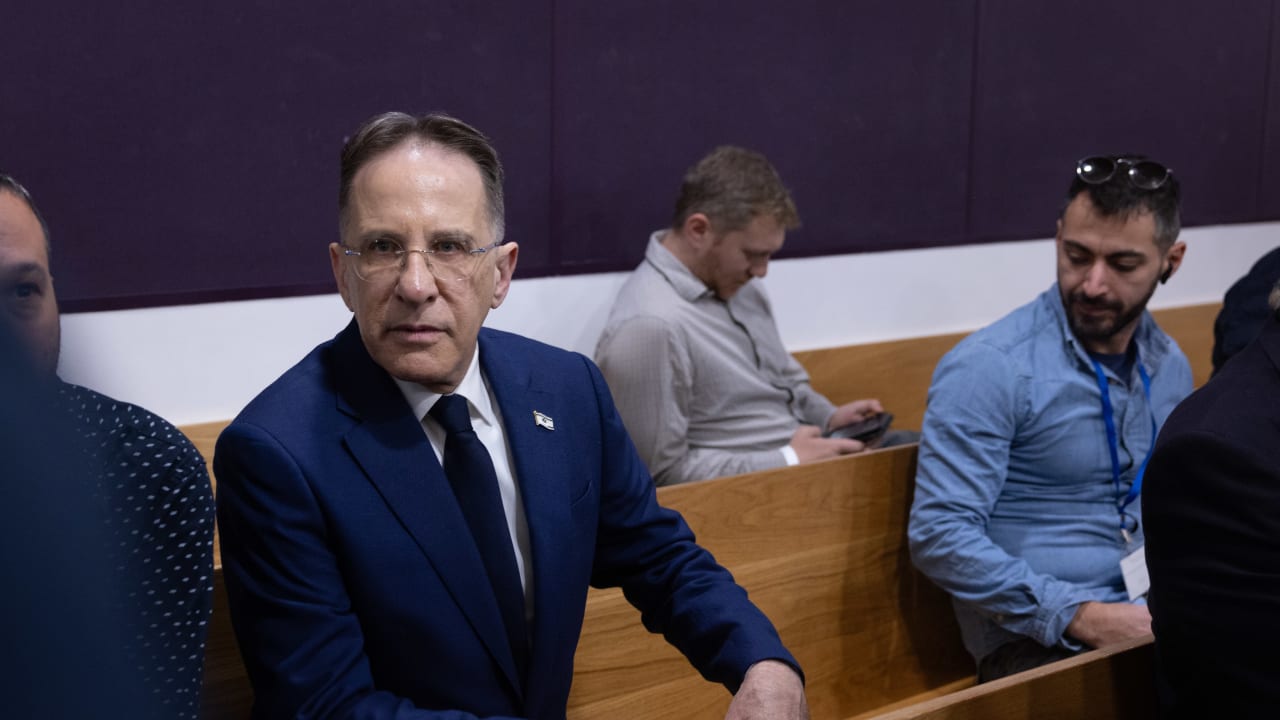
The Rishon Lezion Magistrate’s Court on Thursday again narrowed the restrictive conditions imposed on Prime Minister’s Office chief of staff Tzachi Braverman, canceling the ban on contact with Prime Minister Benjamin Netanyahu while leaving in place, through March 29, a no-contact order with other figures tied to the case.
Judge Menachem Mizrahi also left Braverman’s guarantees in place and stayed the ruling until Sunday at 2 p.m., allowing the state time to appeal.
In his latest decision, Mizrahi rejected the police request to extend the broader set of restrictions until March 29, writing that “nothing new” had emerged since the previous hearing and that the investigation had effectively reached a standstill. He said the central remaining investigative step was obtaining testimony from Netanyahu, but noted there was currently no timetable for that to happen given the security situation.
Mizrahi further wrote that the fresh material produced after a narrowly tailored court-approved examination of Braverman’s new cellphone did not justify maintaining the wider restrictions. According to the decision, the new material - particularly one defense-submitted document referenced by the court - appeared to undercut rather than strengthen suspicion against Braverman.
The judge also stressed that police had presented no evidence that Braverman had breached his release conditions, interfered with witnesses, or otherwise obstructed the investigation since those conditions were first imposed in January.

At the same time, the court did not lift all conditions. The prohibition on contact with other individuals identified in the case remains in force until March 29 at noon, and Braverman is barred from discussing the investigation with Netanyahu even though the direct no-contact ban between the two was canceled.
Bild leak case back-and-forth takes new turn
Thursday’s ruling is the latest turn in the procedural back-and-forth surrounding the so-called “midnight meeting” affair, an obstruction-related offshoot of the wider Bild leak case. The investigation centers on a late-night October 5, 2024 meeting at the Kirya Military Headquarters in Tel Aviv between Braverman and former Prime Minister’s Office spokesman Eli Feldstein.
Per Feldstein, Braverman informed him of an ongoing IDF investigation into the leak of a classified document to the German newspaper Bild, showed him a list of names, and asked whether the probe was connected to him and “to us,” allegedly adding that if it was tied to the Prime Minister’s Office, he could “turn it off.” Braverman denies wrongdoing.
The case became overt on January 11, after Feldstein publicly described the meeting in a televised interview on KAN. Braverman was then questioned under caution and released under conditions that initially included removal from the Prime Minister’s Office and the Kirya, a ban on contacting figures connected to the case, and a travel ban. Since then, those conditions have repeatedly been narrowed, reinstated, and narrowed again as the magistrate’s court, district court, and Supreme Court weighed the state’s requests against the status of the investigation.
In January, the Central District Court reimposed broader restrictions after accepting a police appeal and held that there was reasonable suspicion justifying the measures. In February, the Supreme Court rejected Braverman’s bid to overturn the district court ruling, leaving the restrictions in place at that stage.
The latest round began after Mizrahi earlier this month lifted the travel ban and canceled the prohibition on contact with Netanyahu, while clarifying that the two could not discuss the investigation itself. The state appealed, and the district court restored the restrictions through Tuesday, with the travel ban extended only until Thursday. Mizrahi had granted police only a 48-hour extension, saying he wanted to review the results of the renewed investigative step involving Braverman’s phone before ruling on the broader request. Thursday’s decision followed that review.
The ruling may further clear the path for Braverman to assume his diplomatic post as Israel’s next ambassador to the United Kingdom, though the stay of execution means the immediate effect of Thursday’s decision depends on whether the state files another appeal.