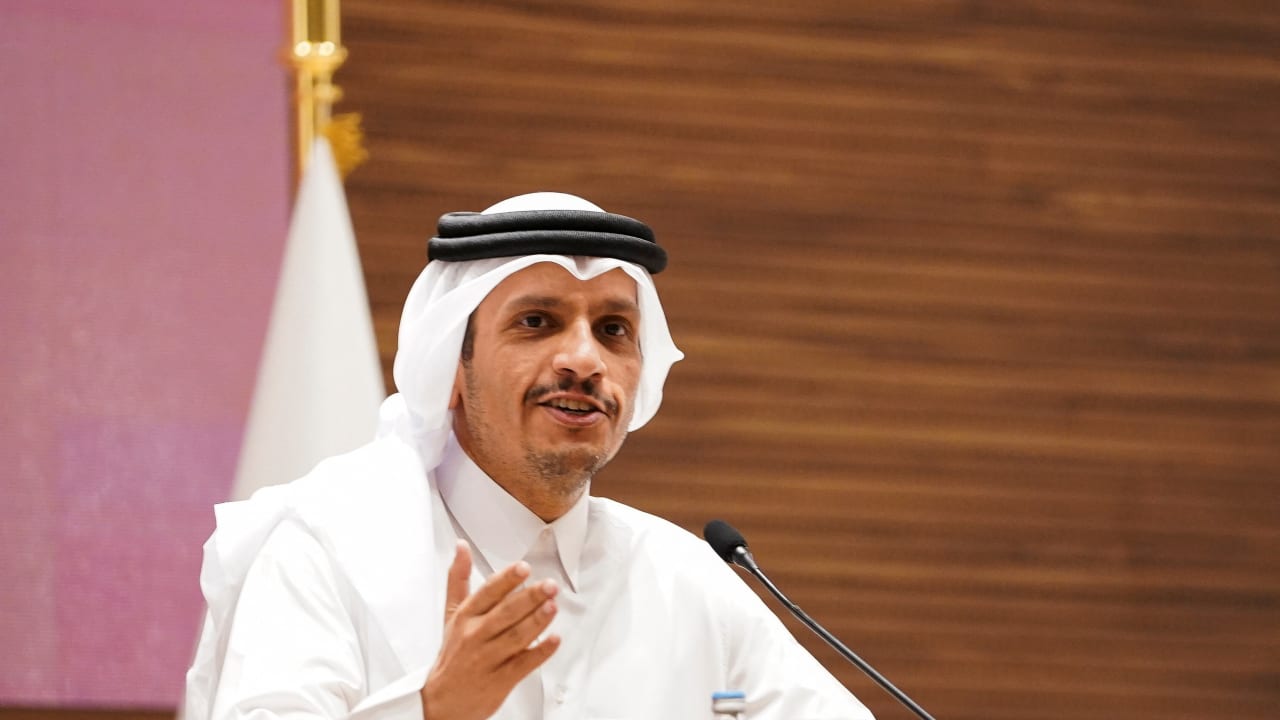
Qatar will provide Lebanon with about $434 million in financial support, with most of it aimed at the country's ailing energy sector, according to Qatar's Fund for Development.
Qatar has been providing the Lebanese army with grants for fuel and salaries. Lebanon needs foreign funds to help meet a huge reconstruction bill from the 2024 war between Israel and Lebanese terror group Hezbollah, in which Israeli air strikes flattened swathes of the country.
Even before the conflict, Lebanon had been struggling for years with a severe shortage of imported fuel and poor infrastructure.
A fund statement said about $400 million would be provided to support the energy sector, of which 10% had been allocated as a grant. The financial support would also aim to bolster the Lebanese army's capacities and those of other sectors.
Qatar's role in Lebanon, against Hezbollah
Qatar's role in Lebanon has been both as an investor and as a security guarantor, with the Gulf state being one of the main countries pushing for the stabilization in the region and the end of the fighting between Israel and Hezbollah.

Egypt, Qatar, and Turkey gave Hezbollah a "final chance" to disarm and surrender its weapons to the Lebanese government, Saudi-owned outlet Asharq Al-Awsat reported on January 1.
As per the report, the three nations heavily involved in mediation efforts told the Lebanese terrorist organization that a move to disarm would "spare Lebanon an Israeli strike" that would "deepen the gap" between Hezbollah and the Lebanese people.
Qatar also invested in Lebanon, especially after its state-run energy company entered a consortium to explore Lebanon's offshore gas project.
Qatar was involved in developing infrastructure and resources close to Israel’s border, a move made possible by the pressure put on Israel to sign a maritime 2022 deal with Lebanon.
The then-US mediator and energy envoy Amos Hochstein praised the developments, saying: “Congratulations to Lebanon on Qatar energy joining as investor with Eni [and] TotalEnergies. Welcome additional new investment in Lebanon energy sector and another example of progress from the maritime agreement.”
Seth J. Frantzman contributed to this report.