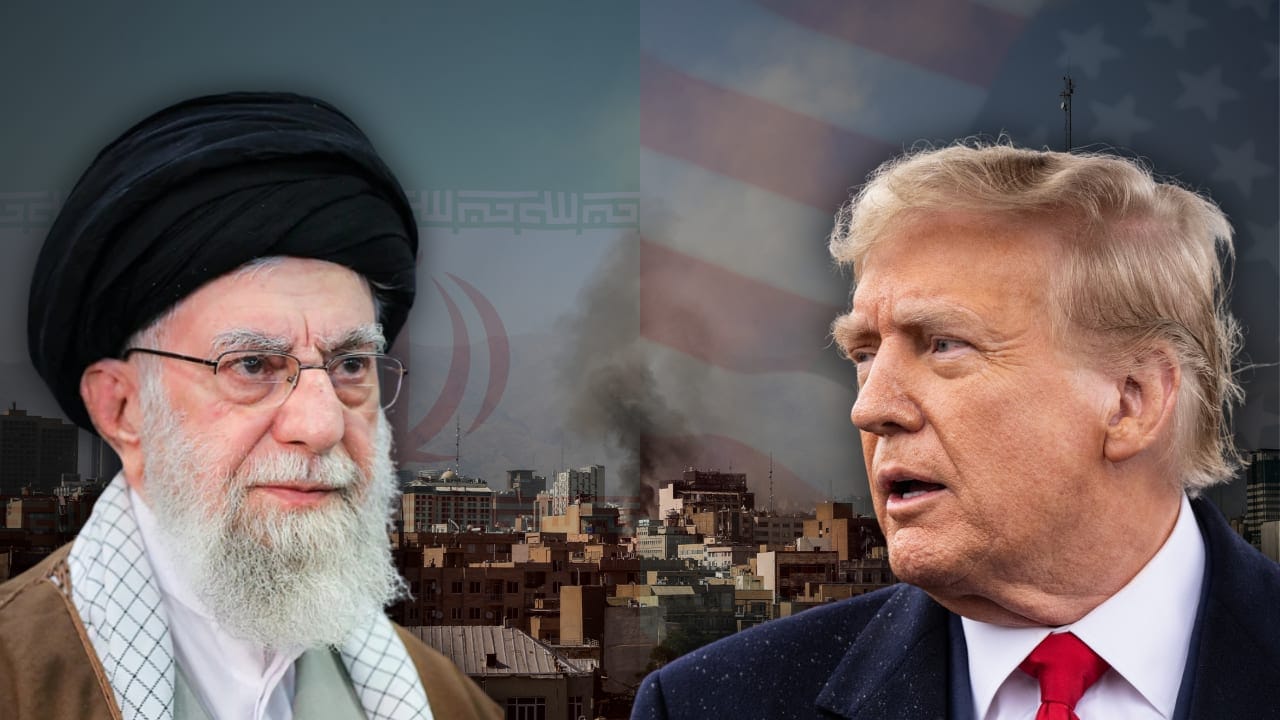
Before President Donald Trump reportedly decided to pause a strike on Iran, global media outlets suggested the United States would respond to the killing of protesters with cyberattacks and “influence operations.”
Despite these intentions, Iran appears to have outmanoeuvred the US by seizing total control of its domestic information space.
It is vital to distinguish between cyberwarfare that is about hacking systems to disrupt water, electricity, or other infrastructures. Information warfare, however, targets people’s minds. It uses open information spaces to shift the perceptions and behavior of a population. Since the rise of social media, these “influence operations” have become a weapon of choice due to the ease of spreading anonymous or deceptive content.
Iran is no stranger to these tools; it frequently conducts influence operations in Israel, aimed at widening social and identity-based rifts to weaken the nation from within. Conversely, American information operations in Iran aim to weaken the regime by fuelling internal struggle.
We saw a glimpse of this when Trump addressed the protesters directly, urging them to “keep the names of your murderers” so they might face future accountability. Doxxing the identities of regime enforcers is a powerful way to fuel a long-term struggle between the people and the state.
The most potent weapon the US could have used was the mass distribution of high-quality video documenting the regime’s atrocities. While some horrific footage did leak out, there was no “viral wave” of high-definition evidence.

The Iranian regime understands that while text-based reports of massacres circulate, they lack the visceral impact of video. Videos allow a global audience to “connect” to the tragedy in a way words and even pictures cannot.
Furthermore, Trump’s advisors have noted that his decision-making is often influenced by the visual weight of protest footage.
By severing the Internet, the regime robbed protesters of their most effective tool for garnering international support, while simultaneously allowing the state to broadcast staged footage of pro-government rallies. Even attempts to bypass the blackout via Elon Musk’s Starlink satellites were reportedly thwarted by regime scanners used to jam or confiscate the equipment.
The information vacuum also obscured the human cost of the crackdown.
'One death is too many'
Intelligence agencies and civil society groups estimate that the regime killed anywhere from a few thousand to 15,000 citizens. When Trump tweeted that the US would come to the aid of protesters if Iran continued the killing, he remained vague on the numbers. He later noted that “one death is too many,” but acknowledged hearing conflicting reports of high and low casualty counts. Had clear, verified video evidence established a precise and undeniable death toll, the pressure – and the conviction – to strike would likely have been far greater.
The final blow in this round of the information war came with reports that the US had called off its attack. News that regional players like Qatar, Oman, Saudi Arabia, and even Israel reportedly urged restraint served to validate Iran’s deterrent power. Regardless of whether the delay was due to a lack of American or Israeli readiness, the mere narrative of a cancelled strike helps Tehran project strength both at home and abroad.
The regime’s announcement that it would postpone 800 scheduled executions carries little weight in the information war, especially without visual proof. However, by instilling fear domestically and leveraging the internet blackout to stall international intervention, the Islamic Republic has ended this round with a 1-0 lead.
The struggle is far from over. As the Internet returns in Iran, content that was previously suppressed may finally reach the West, potentially reigniting the drive for a response.
Perhaps most critically, Supreme Leader Ali Khamenei may have made a strategic blunder by personally labeling Trump a “criminal.” While the American president might tolerate a tactical loss in the information war, he is unlikely to overlook a personal affront to his name. Whether the response is cognitive or kinetic, America will likely make its move soon.
The writer is a lecturer in the Department of Politics and Communication at the Jerusalem Multi-Disciplinary College and an expert in digital influence.