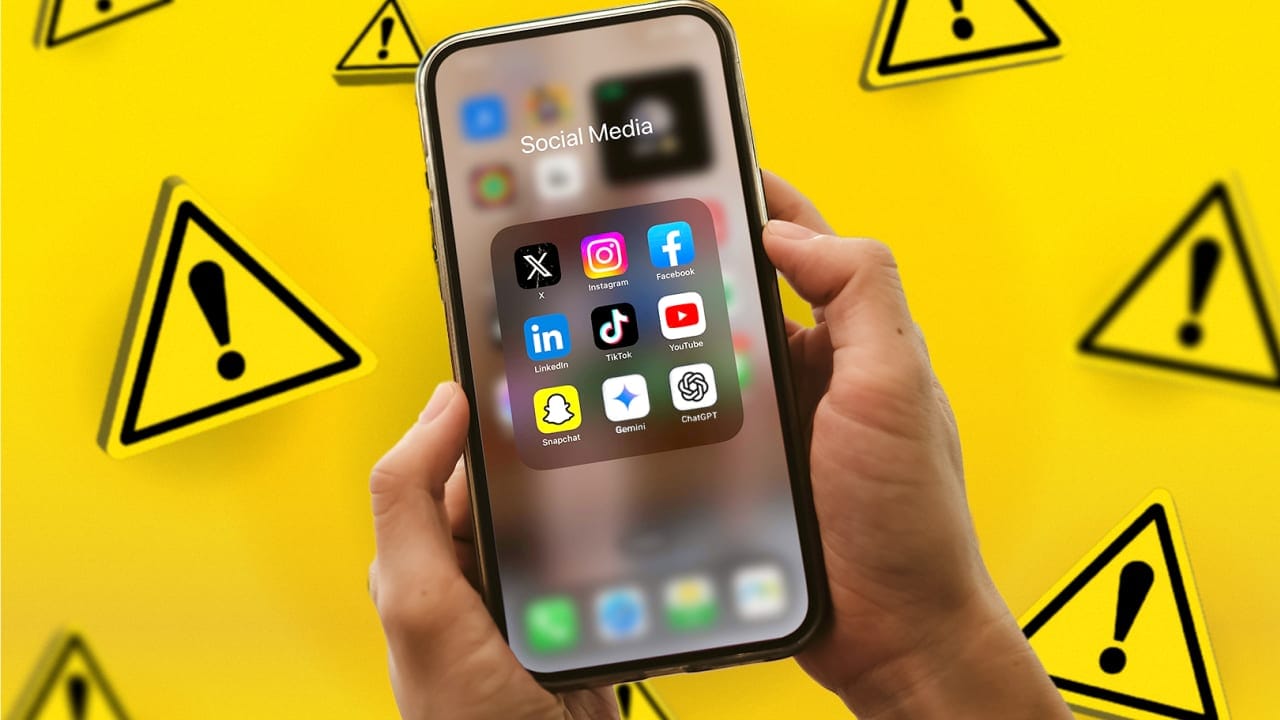
History doesn’t repeat itself in the same form. It adapts to new technologies, new platforms, new silences. Today, antisemitism isn’t marching through public squares in jackboots. It’s spreading at the speed of an algorithm: amplified, normalized, and monetized by social media platforms. And while it may not leave behind physical mass graves, it’s laying the groundwork for something just as dangerous: a global dehumanization of Jewish people so pervasive that violence once again feels justified.
Social media isn’t merely reflecting antisemitism. It’s the single largest driver of it today.
Platforms that promised connection have become factories of radicalization. The business model is simple: outrage equals engagement, engagement equals profit. Antisemitic content – conspiratorial, emotional, visually shocking – performs exceptionally well under these incentives. Blood libels, Holocaust distortion, and calls for Jewish erasure aren’t fringe content anymore. They’re amplified, reposted, and recommended to millions.
What once required organized movements, printing presses, or state sponsorship now requires only a smartphone and a viral hook.
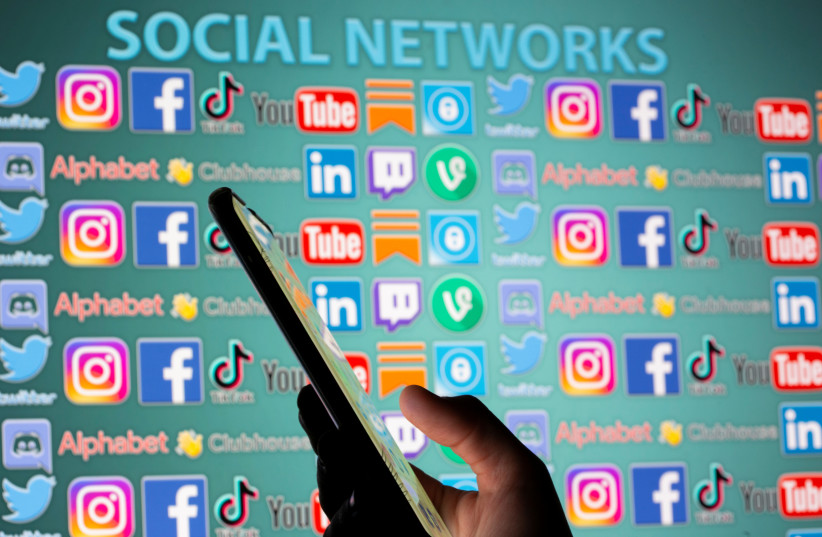
The consequences of online antisemitism
This isn’t abstract. Jewish people across the world are experiencing the consequences in real time. Synagogues are attacked. Jewish students are harassed on campuses. People hide their Stars of David, change their names online, or delete their identities altogether. Many Jews now live with a constant calculation: Is it safe to speak? Is it safe to be visible?
This is what makes the moment so dangerous. Antisemitism has always relied on dehumanization, but social media industrializes it. When Jews are reduced to caricatures, conspiracies, or faceless symbols of evil on millions of screens, empathy collapses. Violence begins to feel not only acceptable but righteous.
We’ve seen this exact pattern before.
The Holocaust didn’t begin with gas chambers. It began with words. With propaganda. With lies repeated so often they became “common knowledge.” With a population conditioned to look away. Today’s version is digital, decentralized, and global – but the logic is hauntingly familiar. So calling this a “digital Holocaust” isn’t hyperbole. It’s a warning.
How social media enables antisemitism
The tools have changed, but the end goal of antisemitism hasn’t: to erase Jews from public life, from moral consideration, and ultimately from existence. Social media enables this erasure not by force but by saturation: by flooding the information ecosystem until truth drowns and Jews are cast as villains by default.
And here’s the most damning part: this is happening in full view of the world.
Platforms insist they’re neutral, but algorithms are editorial decisions and moderation policies are moral choices. When calls for violence remain online, when Holocaust inversion goes unchallenged, when antisemitic content gets treated as “contextual” or “political,” these companies are shaping reality whether they admit it or not.
I’m not talking about censoring criticism of governments or politics. I’m talking about confronting a centuries-old hatred that has found the most powerful megaphone in human history and is being allowed to scream unchecked.
We’re at an inflection point. Either we recognize that antisemitism online is a civilizational threat, or we repeat the oldest mistake of all: believing that hatred will burn itself out if ignored. Jewish history teaches us that the cost of disbelief is catastrophic. The lesson of the Holocaust isn’t only “never again,” but never again silently. Not while lies go viral. Not while hate is profitable. Not while the world scrolls past.
A digital Holocaust is unfolding right now. The question isn’t whether history will judge this moment, because it will. The question is who will have the courage to stop it before the screen goes dark.
The writer is the current Miss Israel, a data scientist, and a prominent Jewish voice on the global stage.