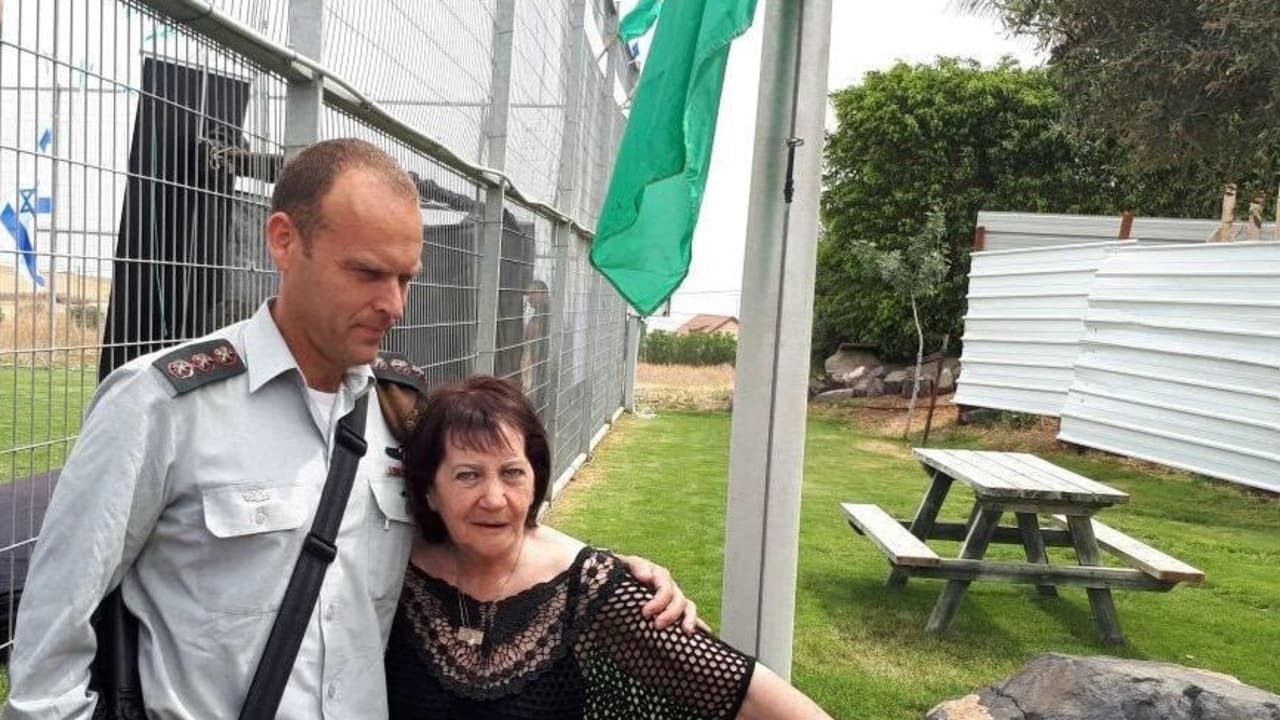
I first met Zehava Shaul about a decade ago.
It happened during my first week as commander of the IDF's Golani Brigade [in which Staff-Sergeant Oron Shaul served], when I entered the Shaul family home in Poriya to offer condolences following the untimely passing of the family’s father, Herzl.
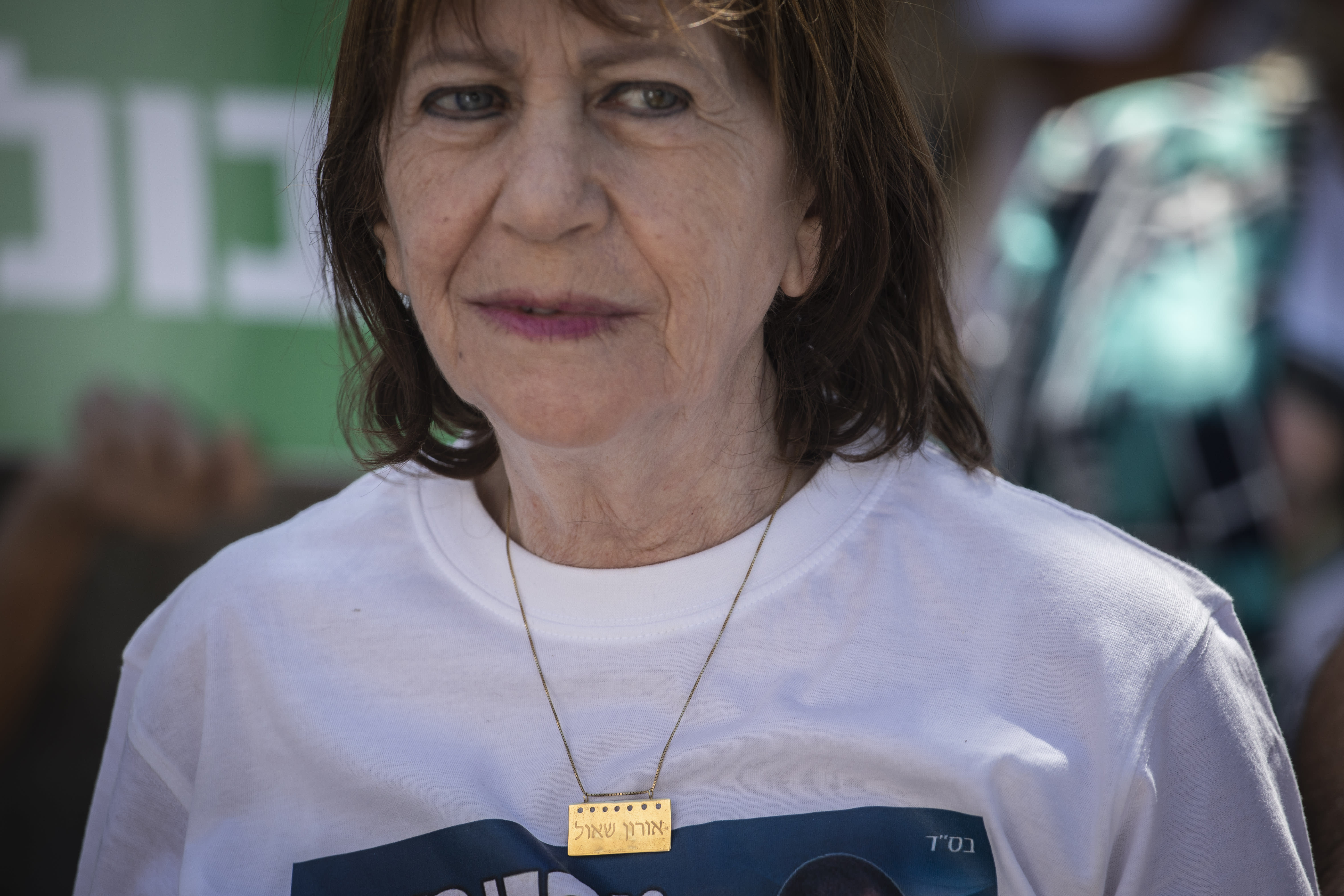
During that visit, I learned that the pain over Oron’s disappearance had played a major role in Herzl’s illness. We sat on the front porch, in the corner Zehava loved, together with her brothers and sisters, and even then it was easy to see that she was an extraordinary person. A great woman in a small body, determined to bring her son home at any cost. Over the years, we met dozens of times. We shared a special and profound connection.
Zehava, with her quiet and wise voice, over Turkish black coffee, told me about Oron, whom she loved so dearly, about his excellence, his values, the pain, and about what was new with Ofek and Aviram, whom she loved so much.
Oron was a devoted fighter who excelled in his humanity and sense of responsibility, qualities for which the president also chose him as an outstanding soldier on Israel’s 66th Independence Day.

A brave fighter who insisted on continuing to fight alongside his comrades, who acted with courage until their deaths [in 2014's Operation Protective Edge]: Staff-Sergeant Oren Simcha Noach, Staff-Sergeant Daniel Pomerantz, Staff-Sergeant Shahar Ta’aseh, Sergeant Ben Vanunu, Sergeant Shon Mondshine, and Sergeant Max Steinberg, as well as Oron’s abduction.
Zehava never lost hope for Oron's return
Zehava and her children fought for his return and never lost hope. We had many conversations, honest, painful, and difficult, but always filled with hope and faith.
Every Memorial Day during my time as brigade commander, I had the privilege of standing alongside Zehava at the monument built for Oron in their community, a monument and not a grave. A monument that became a symbol of their struggle to bring him home.
When I finished my role as commander of the Golani Brigade, Zehava asked that, in my future positions, I continue to do everything, together with my colleagues, to bring Oron home, and I promised her I would.
On January 20, 2025, after the prolonged intelligence gathering and Zehava’s determined struggle, along with the efforts of Oron’s family, his remains were recovered from the Gaza Strip. They were carried on the shoulders of our fighters in a creative, complex, and covert operation based on extensive intelligence gathering, an operation that included cooperation between the IDF and the Shin Bet (Israel Security Agency), the involvement of several units, and deception tactics, some of which have still not been made public.
I visited Zehava, Ofek, and Aviram several weeks after the recovery, along with the commander of the force that carried out the operation. We will never forget that moving and powerful meeting.
Oron returns home after over a decade
After more than a decade of waiting, longing, and struggle, the moment that the Shaul family had prayed for, and that the entire people of Israel had hoped for, arrived. As his coffin made its way from Tziporit to the cemetery in Poria, hundreds of citizens holding Israeli flags stood along the road in his honor. Tens of thousands paid their respects during the funeral procession.
Zehava passed away about a year and a half after Oron returned home, surrounded by her beloved children.
Zehava’s legacy for us is a legacy of quiet strength, of a mother who taught us a lesson in determination and compassion. A mother who, even in the most difficult moments, continued to choose love, family, and hope.
Dear Zehava, like other commanders, I had the privilege of accompanying you. Dear Shaul family, I bow my head and share your grief, and the grief of our entire nation, over her passing.
Aviram and Ofek, your mother was so proud of you. Together, we will continue to carry forward the values and the family legacy, and we will always embrace you.
May her memory be a blessing.
Maj.-Gen. Shlomi Binder is the head of the IDF's Military Directorate.