This Shabbat is the fourth of Kislev. Most of us know that the 15th of Nisan is Passover and the first of Tishri is Rosh Hashanah, but the fourth of Kislev usually passes without being noticed.
Yet on that date, in the fourth year of the reign of King Darius in 518 BCE, the prophet Zechariah received a question that sounds remarkably contemporary, despite the passage of over 2,500 years.
When a people has begun to rebuild after a catastrophe, what does it still owe to the memory of what happened? And what would it take to say that the lessons of the catastrophe had been learned?
The Second Temple was being rebuilt. A delegation came to ask the priests and prophets in Jerusalem whether the fast of the fifth month (Tisha B’av as we know it), commemorating the destruction of the First Temple, should still be observed.
The question was reasonable. For generations, Jews had mourned what they had lost. Now they could see the Temple rising again. What place should the old mourning have in a time of renewal?
Zechariah responds with a question of his own. When you fasted and mourned for those 70 years, he asked the people in God’s name, was it really for Me that you fasted? The question goes to the heart of religious observance.
A community can faithfully keep a fast for 70 years and still evade the moral demands that give the fast its meaning. The test of those hours of abstinence comes when the fast is over, and we resume our ordinary dealings with one another.
Zechariah recalled what the earlier prophets had already asked of the people. Judge fairly. Show mercy and compassion to one another.
Do not oppress the widow, the orphan, the stranger or the poor. Do not plot evil against one another. These are obligations by which a society must be judged. A widow seeking justice has little use for a public display of piety if the people who make decisions about her life will not hear her.
In the next chapter, Zechariah envisages a day when the four fasts will become occasions of joy and gladness. He closes that promise with the words “you must love truth and peace.” The rebuilding gave the people reason to hope.
Zechariah asked them to consider what kind of society they will build around the Temple. The answer will be found in their courts, in their treatment of the vulnerable and in whether they can speak truthfully to their neighbors.
This is an urgent, almost compelling, question for Israel this week in 2026, some 2,544 years after Zechariah first posed it.
The task for forming a government
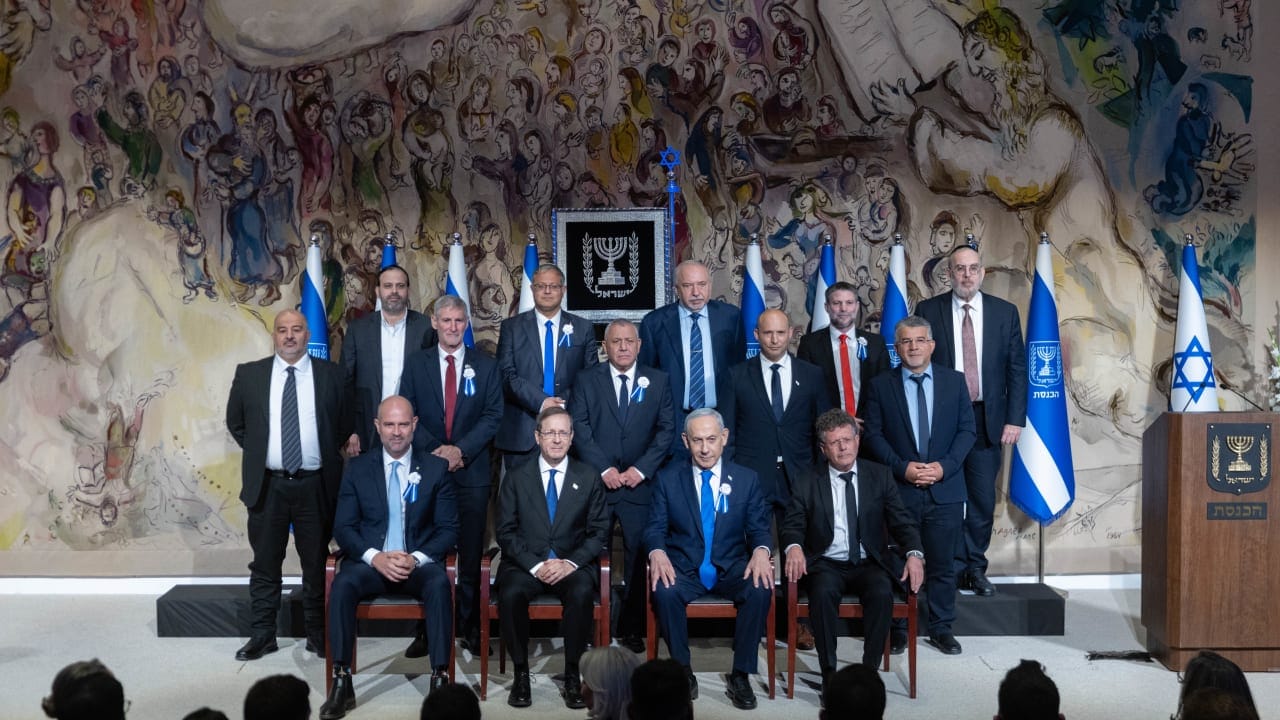
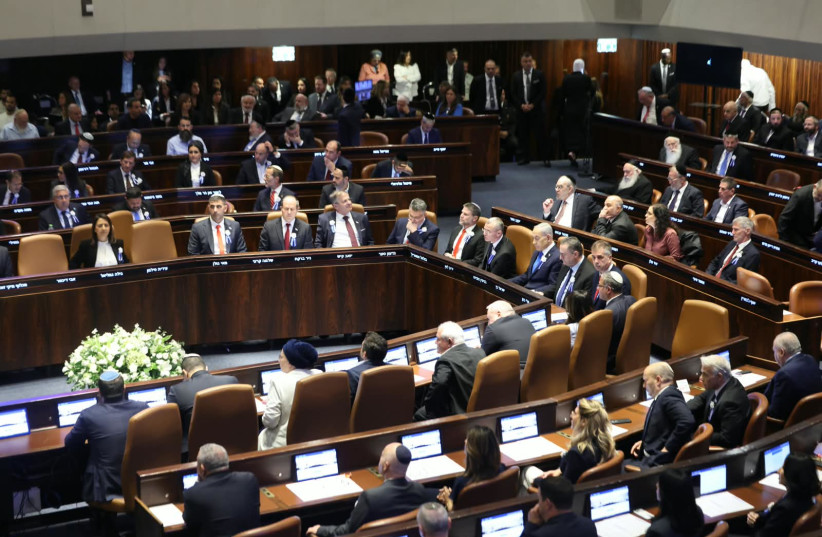
The new Knesset has been sworn in, and Gadi Eisenkot has been tasked with forming a government. The negotiations will shape the next four years, and arguably, our entire future as a sovereign Jewish people.
Every party will enter the room with commitments to its voters, many of them deeply held. The question is whether our leaders can honor those commitments while accepting that they are negotiating a government for people who voted differently, too.
There are real disagreements between Right and Left, and between religious and secular Israelis. They concern security, public life, religious obligation and the burdens citizens are asked to carry.
They deserve to be argued honestly. When a politician caricatures an entire community to win a round of negotiations, though, that politician makes it harder to secure the cooperation the country will need the morning after a deal is signed.
A leader who wants the public to accept a compromise should be able to explain what the other side needed and why it was reasonable to give ground. It must also state unequivocally what he will concede, where he will give up something of his own to meet the other side on the journey of compromise toward true unity.
What would it look like to take Zechariah seriously at the negotiating table?
Start by describing an opponent’s position in terms that the opponent would recognize. When discussing who should bear a public burden, account for the people who are already carrying it and those who will be asked to shoulder more.
When agreeing on how public money will be spent, consider the people whose needs are urgent and whose representatives have little leverage. While a party must pursue the program for which it was voted for, in a coalition, it cannot have its complete cake and eat it – that cake must be shared around its partners too.
The obligation reaches beyond the negotiating room.
We help set the terms of public life when we decide what negative words to repeat to others, either personally or in the viral atmosphere of social media.
What do we let pass at the Shabbat table, and do we object when someone on our own side speaks contemptuously about others?
It is easy to demand restraint from people whose politics offend us. It takes more resolve to tell a friend that an accusation is false, or to challenge a politician we voted for when that politician treats fellow Israelis as enemies.
Zechariah’s pairing of truth and peace is especially demanding. Truth requires us to acknowledge grievances even when they are inconvenient for our side.
Peace requires us to think about how strongly we must stick to our stated position, and what happens after we have adopted the moral high ground and refused to give way at all.
Will we even have a country to share with the people we have been arguing with?
A coalition may ultimately command a majority in the Knesset. But the quality of the government it forms will be measured by how it serves people who had no part in putting that majority together.
The fourth of Kislev passes without ceremony, but this Shabbat, it gives us a chance to ask what we expect of our leaders and what we are prepared to do ourselves.
When the next insult comes from someone whose politics we share, will we challenge it? When a rival raises a legitimate concern, will we say so publicly?
The people who asked Zechariah about fasting wanted to know when they could leave an old grief behind. While we desperately want to move on from the grief of the last three years, we must recall that God’s advice through the prophet was to look at the society they were building.
This Shabbat, as Israel’s leaders try to form a government, we should ask the same of them and of ourselves.
The writer is a rabbi and physician. He writes and teaches on Jewish ethics, leadership, and resilience. His work appears on rabbidrjonathanlieberman.substack.com and youtube.com. @rabbidrjonathanlieberman