Parsha
On Shabbat Nachamu, Isaiah reminds us that human power is just an illusion
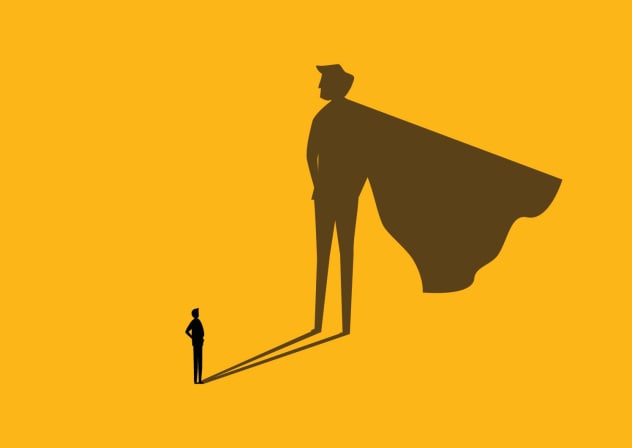
Isaiah declares, “Behold, the nations are as a drop from a bucket, and are regarded as the dust on the scales... All the nations are as nothing before Him” (Isaiah 40:15,17).

Parashat Hukat: A life of meaning

Beyond the Headlines: A letter from New Zealand - opinion

Beyond the headlines: Finding an anchor in the shelter - opinion
Va’era: Feeling the suffering of others - opinion
The Jewish people are one nation with one heart. They should act together with concern. To stand by fellow Jews in distress, to aid those in need, to give their full support to Israel.

Parashat Vayigash: Interpreting dreams
How was Joseph able to rise?

Parashat Vayigash: Incitement as the little secret
We must look closely: What was the background of this incitement? Why did the king of Egypt incite his nation against the Israelites and why was he so successful?

Parashat Miketz: All things dark and bright
Judaism is not binary – it does not teach that there are forces of light and darkness that are wholly separate and distinct. Rather, there is an interdependence and an intertwining.

Parashat Miketz: A story about fate
God presents us time and time again with the choice of acting correctly, with honesty and integrity, or acting immorally.

Parashat Vayishlah: A little less confidence
Jacob in Parashat Vayishlah and King David in the course of Psalms showcase the important balance between religious confidence and doubt.

Parashat Vayera: The real test of the Akeida
Faith can be the foundation of a profound relationship with God, and by extension with all of God’s creation. But it can have another side, a dark shadow
Parashat Vayera: Judaism and the afterlife
The midrash is likely highlighting the Jewish capacity to not just inhabit two worlds, but unify them.

Parashat Vayera: The scalpel and the knife
The Torah has 70 faces, as the Rabbis tell us. All of these interpretations and many others have their worthiness and weight, and yet there is room for more.
Parashat Vayera: Seeing the Good
What we will examine is why Abraham thought, and God agreed, that it was enough to find 10 righteous people to warrant saving the entire evil city from punishment.
