Gaza war
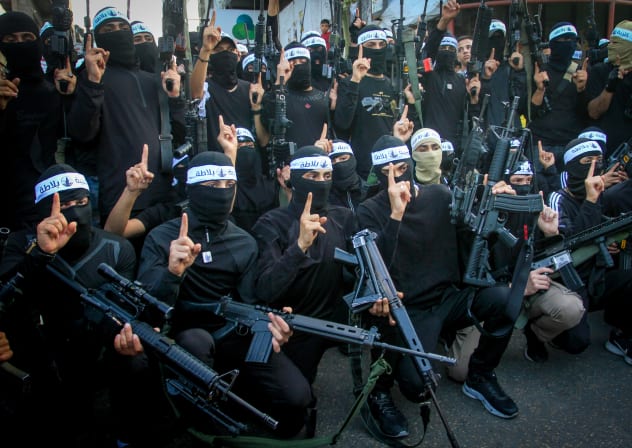
Fatah skips Cairo talks as Hamas delays Gaza disarmament
France 24’s Arabic service noted that many believe Fatah’s stretches of absence were due to the Democratic Reform Bloc’s participation.

Israel must overhaul trauma care for 50,000 former IDF soldiers, defense committee urges

Canadian antisemitism council sparks divide among Jewish groups
Hamas uses teens, disabled civilians for border reconaissance as IDF prepares for new Gaza ops.
Iran-backed militias in Iraq signal move to place weapons under state control amid US pressure
Iraq is at a turning point as militias begin procedures to disengage from the PMF and potentially hand weapons to the government amid US pressure.

South Africa’s ICJ delay request may ease pressure on Israel - analysis
South Africa’s request for an 18 month extension could delay further ICJ hearings in its genocide case against Israel until 2029 or 2030.

Several figures emerge as next leaders of Hamas in Gaza, but who will end up leading? - analysis
Although Hamas only controls half of Gaza, it still runs the lives of 2 million civilians and seeks out new leadership amid targeted eliminations by the IDF.

Hamas ramping up 'psychological warfare' on Gazans, Khan Yunis militia leader tells 'Post'
"People are tired of Hamas. They’ve had enough," Khan Yunis militia leader Hussam al-Astal told the Post.

Why ICC going after Smotrich is a bigger deal than going after Netanyahu - analysis
Without major changes in Israeli policy, the arrest warrant against Smotrich could be Israel's darkest legal hour, with cascading consequences the likes of which cannot be foreseen.

Hamas leader Khalil al-Hayya's son killed in Gaza, terror group confirms
A senior military source told Maariv that Azzam al-Hayya’s "death is of no interest to us, and if he was harmed, it was because he was somewhere he should not have been."

Hamas disarmament 'almost impossible to bridge' as gaps with BoP grow, source tells ‘Post’
An Israeli source told the Post that Israel is coordinating with the Board of Peace and the US administration to plan the next steps following Hamas’s refusal.
Canadian intelligence intervened in seven violent threats motivated by Gaza war in 2025
CSIS said the threat of religiously motivated violent extremism in Canada had been "particularly worrying," with the problem exacerbated by ISIS operations, the October 7 War, and radicalization.

Hamas, Board of Peace clash over disarmament agreement, enter impasse in negotiations - report
The terrorist organization has said that it would only give up weapons after the full implementation of phase one of the agreement, which requires Israel to withdraw from Gaza.

'Grotesque distortion': Israel rebukes Norwegian Holocaust Center’s Nakba-Holocaust events
The embassy called for the planned events to be canceled immediately and asked the center to return to its core mission: safeguarding Holocaust remembrance and confronting antisemitism.
