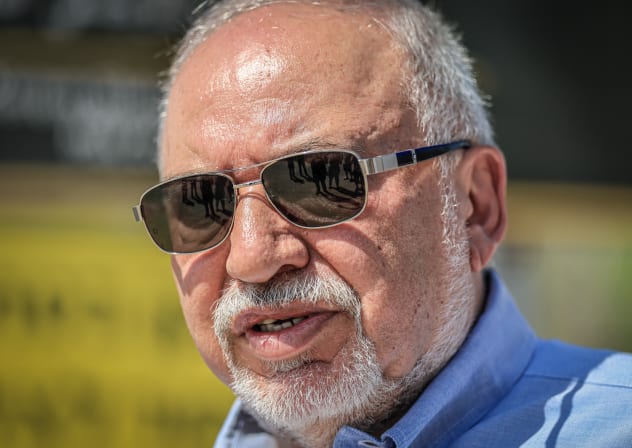
'He should be ashamed': Liberman condemns Chikli for mocking his Russian accent
Avigdor Liberman accused Amichai Chikli of insulting more than a million Russian-speaking Israelis after the minister mocked his accent, sparking widespread criticism.

Avigdor Liberman accused Amichai Chikli of insulting more than a million Russian-speaking Israelis after the minister mocked his accent, sparking widespread criticism.


The petition documents dozens of threats posted between July and late September, including calls for Golan to be shot or hanged and messages threatening members of his family.
UTJ spiritual leader Lando: '[National-Religious Jews] are being killed because their rabbis teach them twisted Torah' • Litvak rabbi says secular Israelis 'have no connection with Judaism'

Yisrael Beytenu is part of the opposition bloc seeking to replace Prime Minister Benjamin Netanyahu and his coalition in the October election. It has recently been polling at around nine to 10 seats.
The position of state comptroller has been vacant since July, when Matanyahu Englman completed his term without a successor in line and Michael Rabello's election was invalidated.

This comes after Transportation Minister Miri Regev denied that her agency was responsible for vetting the crew for foreign airlines, despite a 2023 that stipulates as such.

The framework followed a top-secret decision adopted by the Ministerial Committee for Shin Bet Affairs on September 16, nearly two weeks before the petition was filed.

"When they appease our common enemies and attack us, it doesn't say much," Netanyahu said about the current relationship with the UK government during an interview with The Daily Mail.

Supreme Court President Isaac Amit said the justices unanimously agreed that Abu Shehadeh’s statements were “painful, outrageous and repugnant,” but added that they differed on the legal outcome.

Ministers and opposition politicians also praised the Israeli passengers aboard the flybubai aircraft, saying that they saved many lives and potentially prevented a disaster on the scale of 9/11.

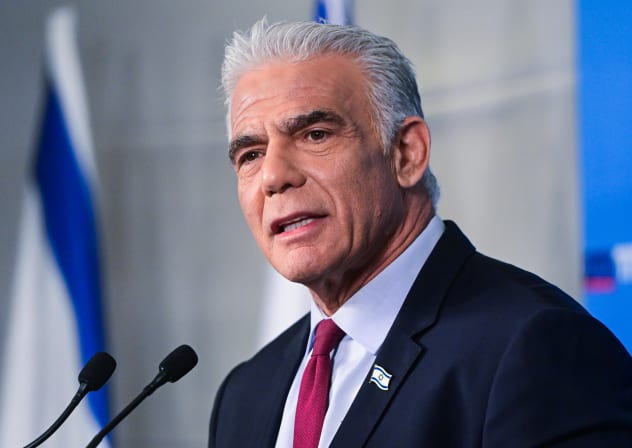
Lapid issued the statement following the incident aboard a Tel Aviv-bound flydubai flight, which was diverted to Saudi Arabia after an apparent attempt by a pilot to seize control of the aircraft.