Dr. Maya Rosman recommends this summer fruit
They are beautiful and delicious, but also healthy. This is what cherries can do for your health.
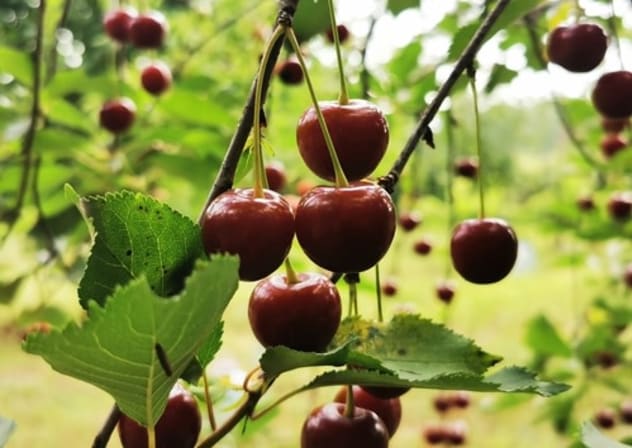
They are beautiful and delicious, but also healthy. This is what cherries can do for your health.


The decline complicates the Trump administration's portrayal of an unprecedented crackdown on healthcare fraud.

Anyone who has spent more than five minutes outside knows – the mosquitoes are here, and they are vicious. A doctor explains what can be done and how to lower the panic?

Hope is a rigorous, strategic framework built on early intervention, structured support, and a collective refusal to let trauma dictate a child's future.

Fructose is naturally found in fruits and vegetables, and a new study suggests that when part of it is not digested properly, it can affect not only the stomach, but also the brain.

The study, by researchers at Imperial College London, included 142 former players aged between 30 and 60 and compared them to 56 similarly aged healthy people with no history of contact sports.

Opponents propose turning it into a cultural or arts center, heritage campus, performance venue, cafes and community spaces, or a museum on Jerusalem medicine and preservation.

A large meta-analysis, studying five decades, has found a dramatic and sustained decline in testosterone levels among men, raising concerns that the male fertility crisis is deeply misunderstood.

Around the world, some 1.5 billion tires are produced each year, and tire-wear particles are increasingly recognized as one of the largest sources of microplastic pollution.

The researchers identified a unique biological mechanism that could enable the regeneration of sensory hair cells in the inner ear – a process previously thought to be impossible in humans.

Esther Marcus, a Kibbutz Alumim resident and therapist, helped establish resilience centers for survivors while coping with the sudden death of her husband, Stevie, after October 7.