New study ranks: These are the most nutritious foods in the world
A new rating method has ranked the healthiest and worst foods. No less importantly, it showed that not all fruits and vegetables are equally nutritious.

A new rating method has ranked the healthiest and worst foods. No less importantly, it showed that not all fruits and vegetables are equally nutritious.


Carrot juice is perceived as a healthy diet drink, but in practice it is a sugar bomb and liquid calories without dietary fiber. Dr. Rosman recommends chewing a whole carrot rather than drinking it.

Spinach with cheese seems like a healthy combination, but does it harm calcium absorption, and what happens when several cheeses are combined together? Dr. Maya Rosman dispels myths.

A new study reveals a vast but fragmented food-aid system, raising questions about the government’s responsibility to ensure food security.

L-carnitine is marketed as a natural fat burner, but evidence for weight loss is limited. Its breakdown in the gut may also produce a substance linked to increased heart risk.

Zinc has become one of the most sought-after supplements in Israel, mainly around colds, coughs and transition seasons. But prolonged intake in high doses can create problems.

Hot pepper contains capsaicin, a substance that creates a strong burning sensation. Extreme eating, online challenges, or consumption of especially hot peppers could lead to severe symptoms.

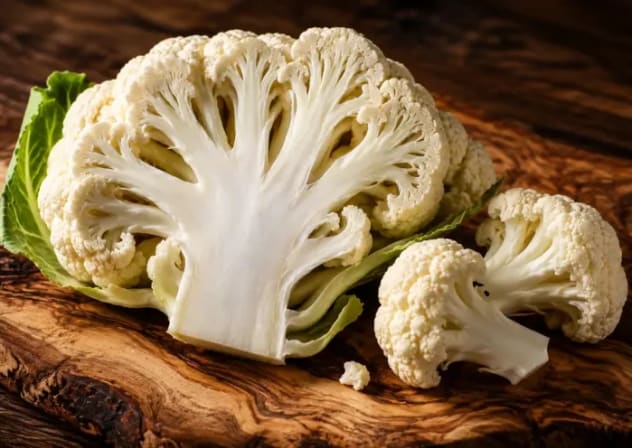
A short nutritional guide, the truth about the effect of the cruciferous family on the thyroid gland, and a quick and easy recipe for unlimited cauliflower rice.
Contrary to what everyone thinks, rice cakes are really not the answer to a nutritious diet. So what is their problematic trait, why aren't they satisfying, and how should they be eaten correctly?

Findings from a recent study by experts at Rambam Health Care Campus in Haifa offer reassuring, evidence-based guidance that can help ease unnecessary food allergies anxiety.

Nut, almond, and seed butters are considered foods rich in important nutritional components. So why is it still worth paying attention to quantities, and is homemade spread better than store-bought?
