Ichilov, Lema'anchem to open free trauma center for reservists, security forces, families
The initiative will expand Ichilov's Assif Center and offer rapid, short-term treatment amid a sharp rise in mental health distress since October 7.

The initiative will expand Ichilov's Assif Center and offer rapid, short-term treatment amid a sharp rise in mental health distress since October 7.


The viruses created in the Stanford Lab are bacteriophages, which exclusively target bacteria and may pose a solution to the rising global problem of antibiotic-resistant infections.

Hot pepper contains capsaicin, a substance that creates a strong burning sensation. Extreme eating, online challenges, or consumption of especially hot peppers could lead to severe symptoms.

The ministry is examining a private genetic test conducted abroad after a patient raised questions about whether the sperm donor used to conceive her child was genetically matched.

The Trump administration is reviving biosecurity efforts years after slashing related government departments amid growing fears that AI could enable biological attacks.

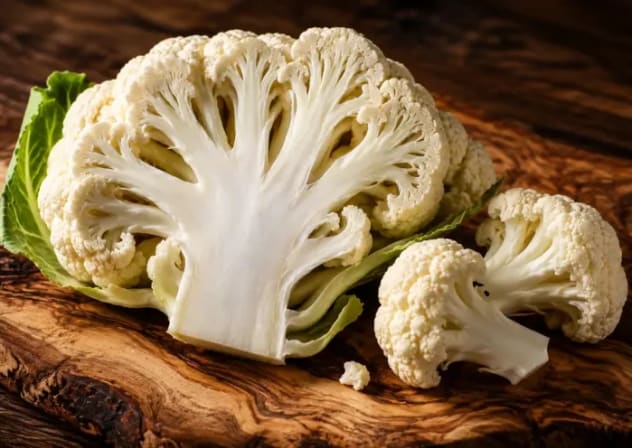
A short nutritional guide, the truth about the effect of the cruciferous family on the thyroid gland, and a quick and easy recipe for unlimited cauliflower rice.
The children, aged five-and-a-half and six-and-a-half, have been placed under close observation in the hospital's pediatric intensive care unit (ICU).

The discovery would thus help overcome a major hurdle in producing real dairy proteins without cows, paving the way for more sustainable dairy ingredients and less climate change.

“The project’s success was caused by motivation; what caused success was motivation; giving of your own milk, giving part of yourself while nursing your own baby is the height of unconditional love.”

The Health Ministry emphasized that currently there have been no confirmed cases of Ebola in Israel.

About two-thirds of countries in the World Health Organization's European Region are already operating AI systems in medical diagnosis, and half of them offer medical chatbots to patients.
