Before the next holiday meal, you should know what happens to your body
Our body does not know the holiday calendar. What happens when sleep, eating, and activity times change, and how can you enjoy yourself without completely losing the rhythm?

Our body does not know the holiday calendar. What happens when sleep, eating, and activity times change, and how can you enjoy yourself without completely losing the rhythm?


Arguments about reality, and the use of overly long sentences, are liable to worsen distress. Dr. Nati Blum explains how to change communication with a family member with dementia.

A new rating method has ranked the healthiest and worst foods. No less importantly, it showed that not all fruits and vegetables are equally nutritious.

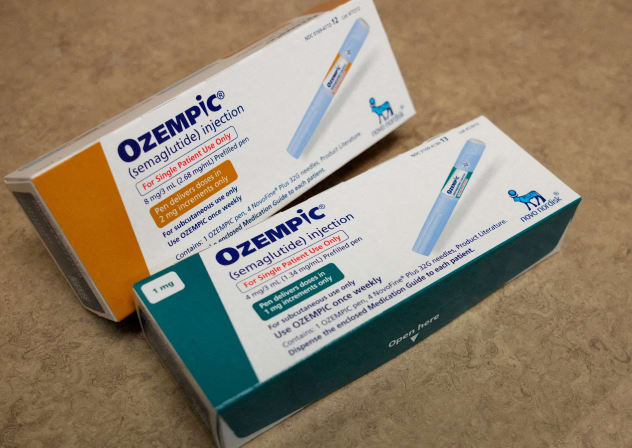
In an August Hadassah Magazine article, a 46-year-old New York mother identified as Beth described getting through Yom Kippur services without thinking about food after starting a GLP-1 medication.
Bishvil Hahayim was officially founded in 2000, but founders worked for several years beforehand to create an organization that would help families and prevent these calamities.

A new study, led by Rambam and Technion, reveals significant gaps in periodontitis diagnosis and treatment planning carried out by various artificial intelligence systems.

In the first few months, breast milk or formula provides the necessary fluids. Giving water too early can impair eating and even cause dangerous electrolyte imbalances.

Laboratory tests conducted by the ministry found that the product contains the active ingredient sibutramine, a pharmaceutical substance banned in Israel and multiple other countries.

Gates said that vaccine hesitancy had at least not spread to lower-income countries, where measles can be much deadlier than in richer countries due to malnutrition and healthcare gaps.

Diabetes patients, among others, suffer from chronic wounds that do not heal, which sometimes end in limb amputations. An Israeli drug intends to change the situation.

The test involves using a dedicated chip and fluorescence analysis, in which fragments of cell-free DNA in the blood are examined for distinct methylation patterns.
