Nine-year-old boy in serious condition after infection caused by brain-eating amoeba
The boy was hospitalized with swelling in his brain and was subsequently sedated and ventilated in intensive care at Rambam Hospital.

The boy was hospitalized with swelling in his brain and was subsequently sedated and ventilated in intensive care at Rambam Hospital.


For carp farmers around the world, the holiday favorite has a serious enemy: they are susceptible to several serious viral, parasitic, and bacterial diseases that can reduce their numbers.

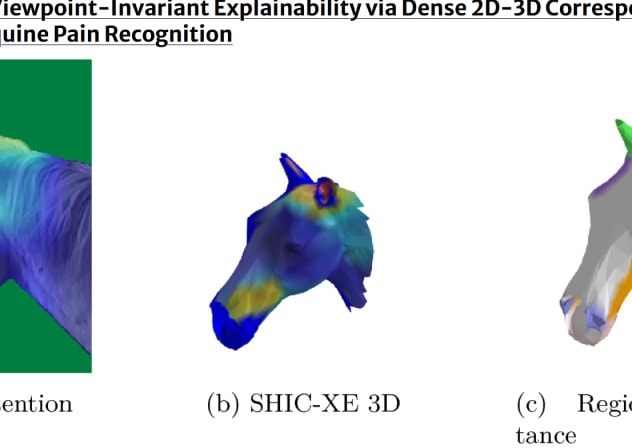
The research found a solution to an enduring challenge in both veterinary and human medicine: how to identify pain and distress in individuals who cannot communicate what they are experiencing.
Health officials are urging the public to get vaccinated early, warning of high infection rates among children and the risk of complications.

A new Israeli study found that most women who underwent surgery for breast cancer suffered from pain, restricted movement, or impaired function. The study's findings will help improve rehabilitation.

After three decades leading public health programs, Dr. Moses Haregewoyn argues that experience, accountability and operational expertise are essential to building resilient health systems.

A cough can persist even after a cold has passed, and it is sometimes caused by respiratory tract sensitivity, post-nasal drip, asthma, reflux or smoking.

The organization is the official US branch of the Zahal Disabled Veterans Organization, established after the War of Independence with the goal of rehabilitating wounded soldiers.

Spinach with cheese seems like a healthy combination, but does it harm calcium absorption, and what happens when several cheeses are combined together? Dr. Maya Rosman dispels myths.

The person will be treated in isolation under procedures for handling high-risk infectious diseases and will be transferred to Ichilov Hospital.

A 2026 ranking of the top 10 hair transplant clinics in Turkey, compared by technique, doctor involvement, accreditation and graft survival.
