Is gluten-free flour really healthy? Dr. Maya Rosman answers once and for all
Many people think that gluten-free products are necessarily healthier, but is this a nutritional myth?

Many people think that gluten-free products are necessarily healthier, but is this a nutritional myth?


This year, Passover cleaning takes on a new meaning, and experts explain how to turn it into an opportunity for internal cleansing to strengthen resilience and cope with a challenging period.
Shrapnel and missile injuries need quick, precise action. First aid mistakes can worsen injuries, so knowing the correct steps is crucial.

Amid unbearable stress, many turn to reality shows for comfort, using others’ dramas as a way to regulate emotions and preserve mental stability.

A wave of seizures of smuggled food raises concern ahead of Passover, and experts explain how to identify products that have not undergone inspection, and how to avoid unnecessary health risks.

Does matzah really make you gain weight, harm digestion, or raise cholesterol? Everything you need to know about calories, fiber, and the small habits that make a big difference during Passover.

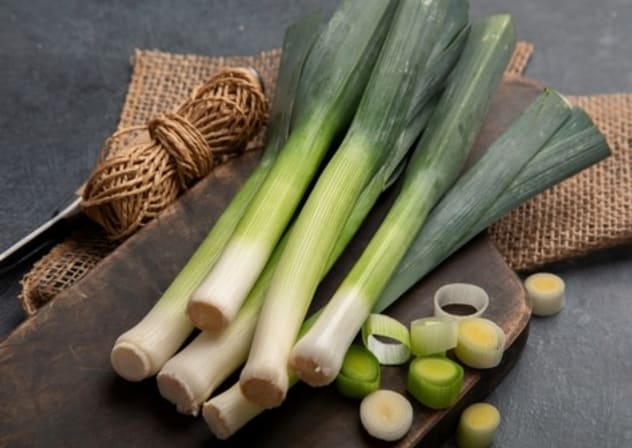
Leek may look like a simple vegetable, but it contains important nutritional components that affect the digestive system, heart health, and also brain function.
Data collected since the beginning of the war indicate a significant impact on sleep among Israelis, but there are practical ways to help the body relax and improve sleep quality.

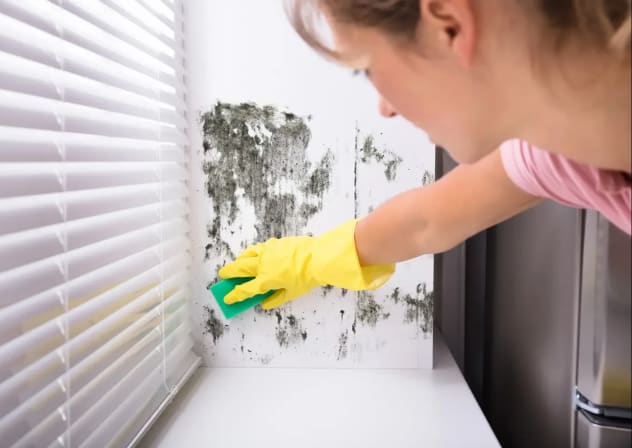
The days before Passover are when people clean their homes, and reports of poisoning from cleaning materials rise. This year, with children at home, the risk is even greater.

There is something particularly complex about this period. If you feel indifference or an inability to empathize with the pain of others – it may actually be good for you.

Politicians and even media figures criticize citizens who complain about the war and its side effects. A clinical psychologist explains why it is actually very worthwhile for you to complain.
