WATCH: Netanyahu: 'Iran will never have nuclear weapons, not today and not tomorrow'
"We will stay in the Lebanon security buffer zone for as long as necessary," Netanayhu added.

"We will stay in the Lebanon security buffer zone for as long as necessary," Netanayhu added.


The difficulties were reportedly related to the requirement to provide fingerprints to obtain a US visa, Channel 13's Suleiman Maswadeh reported.

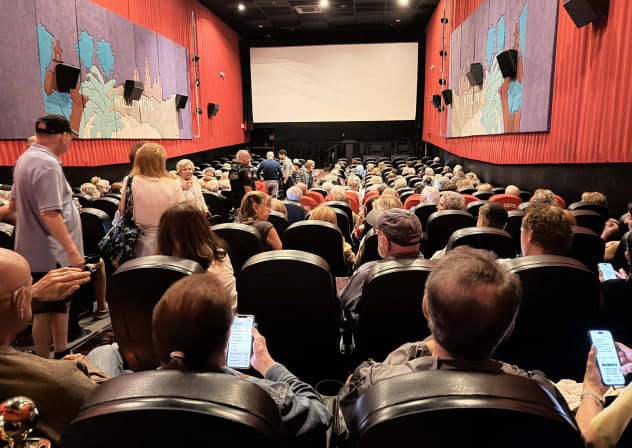
Among the films scheduled to be shown are Checkout, American Henna, Underwater Speculations, ‘Cuz You’re Ugly, and more!

Melissa Francis said she was motivated to make the film after Oct. 7 to explain Israel to viewers outside the country, particularly in the United States.
Fauda star and singer Idan Amedi will headline the Sderot Beer Festival, returning to the Gaza border region after his wartime injury.

Shas and UTJ said they would stop backing coalition bills after the daycare subsidies bill was left off the Knesset plenum agenda.

"Traffic at the junction has reopened and is operating as normal," the police said.

The petitions argue that the secrecy of the vote was not a technical formality, but a central legal protection meant to allow MKs to vote freely.

Eleven lawmakers voted in favor, while three voted against after three days of discussions on the matter that spanned from the early morning into the afternoon.

He argued that Netanyahu is currently in an uncomfortable political position, having been "humiliated" with the announcement of the deal, adding that there is no news about Lebanon.

Asked whether European countries were interested in Arrow or David's Sling, he said there was also interest in the Iron Dome, a system designed to take out short-range threats.
