Two IDF soldiers wounded by anti-tank missile fire during operations in southern Lebanon
The IDF soldiers were performing forward defensive operations in southern Lebanon when several anti-tank missiles were fired towards their force.

The IDF soldiers were performing forward defensive operations in southern Lebanon when several anti-tank missiles were fired towards their force.


According to Lebanese news outlet An-Nahar, IDF soldiers were seen carrying out a ground operation in a cemetery suspected to have a connection to Ron Arad's 1986 disappearance.

Movers and shakers in Israeli society.
Israel had requested 12,000 BLU-110A/B general-purpose, 1,000-pound bomb bodies, with Marco Rubio having determined that the sale was in the US's "national security interests."
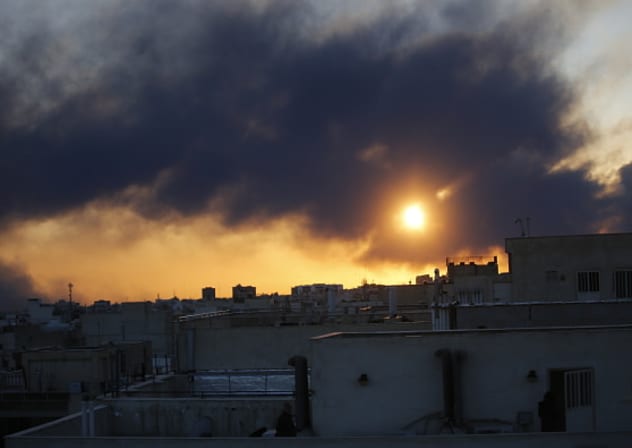
The survey originally aimed to assess public attitudes in Israel towards a wide range of issues, but the opportunity arose to study the Israeli public regarding the Iran war.

According to FlightRadar24 tracking data, the plane circled over the Mediterranean Sea for several minutes before receiving clearance to land.

TV TIME: March 8 is International Women’s Day, and the small screen offers a great many movies and series featuring unforgettable females.

In general, advanced warning times for Iranian ballistic missile attacks are usually issued at least five minutes before sirens sound, and often even further in advance.

Updated measure come as Azerbaijani security services say they thwarted an Iranian plot to attack the Israeli embassy in Baku and other Jewish targets in the country.

What's new to do in Israel's capital?

"I am here in Beersheba, a city that has endured much," Netanyahu said, referencing previous attacks on the southern city, particularly on the Soroka Hospital last year.