Former Israeli national soccer captain Bibars Natcho retires from the sport
Israeli soccer legend and former national team captain Bibars Natcho announces retirement, saying "My journey has come to an end."

Israeli soccer legend and former national team captain Bibars Natcho announces retirement, saying "My journey has come to an end."


Nova Tribe expands its sports activities with a padel group, offering survivors and bereaved families a space for connection, fitness, and recovery.

Next up for Beersheba is its final game of the league season on Saturday night, when it hosts Maccabi Haifa, followed by a State Cup final clash against the same Maccabi Tel Aviv.

“The Czech Republic will stand by Israel from this moment on, we will not allow any more trade sanctions, even if we have to block it as a single country,” Czech Foreign Minister Petr Macinka stated.

Israel’s move toward early elections raises legal questions over ambassador and consul-general appointments, with Attorney-General guidance expected to set limits.
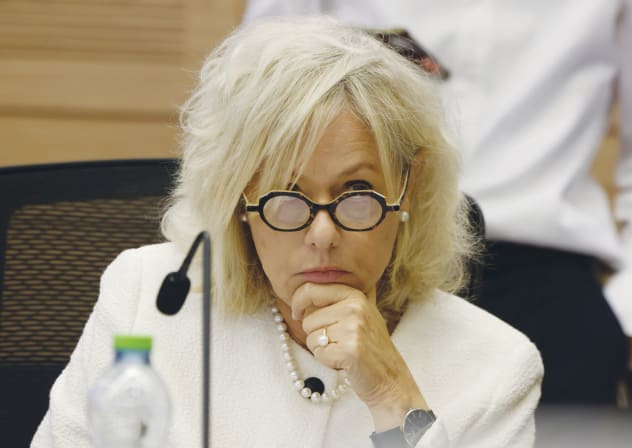
The petition followed the NGOs' refusal of Israel’s request that organizations provide lists of their local employees, as required under Israel’s NGO registration and security screening procedure.

The judicial ombudsman upheld complaints against Supreme Court justices over issuing substantive rulings on Shabbat, saying their conduct harmed public trust and case management.

Former PM Naftali Bennett sharply criticized Netanyahu over the IDF manpower crisis, draft evasion, and the outgoing government’s controversial draft bill.

The decision does not end the police effort to obtain material from the interview. Rather, the court ordered police to submit a new, narrowed, and concrete request by June 3.

The High Court pressed Justice Minister Yariv Levin over his refusal to cooperate with Supreme Court President Isaac Amit on judicial appointments.
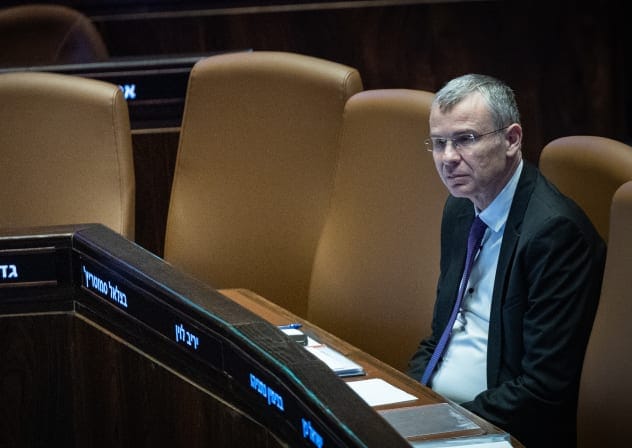
Bereaved families from Kfar Aza petition the High Court to halt demolition or relocation of the “Young Generation” neighborhood, seeking to preserve the massacre site.
