Parents association rejects Teachers' Union threat to limit inclusion of students with disabilities
While teachers are threatening strike action over staffing shortages, parents are attacking the demand and describing it as dangerous discrimination.
![Group of students raising hands during a lesson in the classroom. [Illustrative]](https://images.jpost.com/image/upload/f_auto,fl_lossy/q_auto/c_fill,g_faces:center,h_448,w_632/392749 "Group of students raising hands during a lesson in the classroom. [Illustrative]")
While teachers are threatening strike action over staffing shortages, parents are attacking the demand and describing it as dangerous discrimination.


“He [Trump] is now focused on world peace, peace with the Iranians, and expanding the Abraham Accords,” Dayan said, adding that Trump's Iran plans "don't look great" for Israel.

Haifa Magistrate's Court Judge Jada Basul found there was reasonable suspicion that a crime had been committed, but ruled there was no justification for keeping Amir Maron in custody.
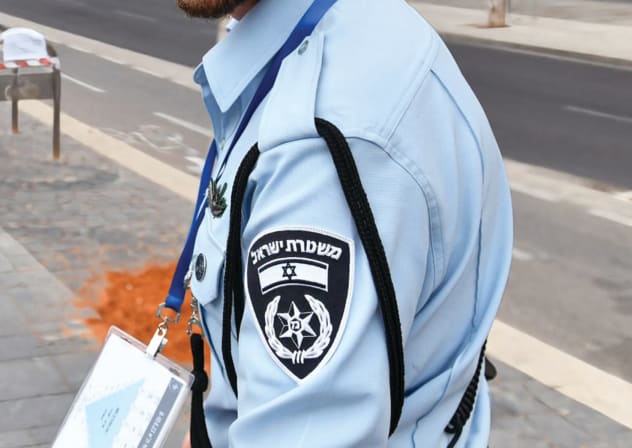
Meningococcus is a relatively rare but especially aggressive disease. The risk for the disease is especially high in infants, toddlers, adolescents, and young adults living in crowded conditions.

The Israeli-Arab singer delivered a high-energy set featuring a powerful vocal performance. She is reportedly the only artist of Middle Eastern descent on FIFA's official soundtrack.

"My daughter Alice screamed, ‘It hurts! It hurts!’ I quickly turned on the light, and her entire face was covered in blood. I was terrified,” said Elena, the mother of a child injured in the attack.

A time-share deal made on a whim after a free dinner offer has evolved into a long-running family tradition at Club Hotel Eilat, complete with summer holidays and Shavuot stays.

Movers and shakers in Israeli society.

New research tracking 12,000 participants over time shows relationship quality, not status, is the key factor in emotional well-being, with singles faring better than those in bad relationships.

Haredi protestors from the "Black Color" hotline rushed to intervene following a day of protests. The matter was referred to the military police.

TV Time: It's Pride month, a time of celebration for the LGBTQ+ community, and there is television programming to go along with it on Yes Docu, Yes VOD, and Hot 8.
