IED explosion wounds two IDF soldiers during counterterrorism operation in Jenin
The officer was severely wounded, while the NCO was only lightly wounded.
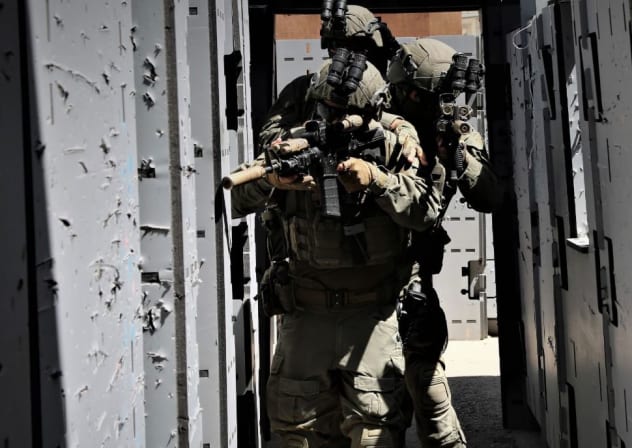
The officer was severely wounded, while the NCO was only lightly wounded.


Urich's charges were added to the broader 'Bild' case indictment, which includes charges against former Prime Minister's Office spokesman Eli Feldstein and IDF reservist Ari Rosenfeld.

The bid to turn the holy city into the Middle East’s economic capital

The additional allegation followed a complaint filed by another woman after the suspect's photograph was published by police.

According to the statement, the IDF also located and seized Kalashnikov rifles, shotguns, and other small arms, as well as RPGs and rockets in a raid on a Hezbollah weapons storage facility.

Axios's Barak Ravid reported on X/Twitter that the proposal is scheduled to be brought before the cabinet for approval. Additional details about the plan were not immediately available.
Mossad chiefs Tamir Pardo, Yossi Cohen, and recently retired chief David Barnea all had a hand in advancing the program, without which it might not have reached the finish line.
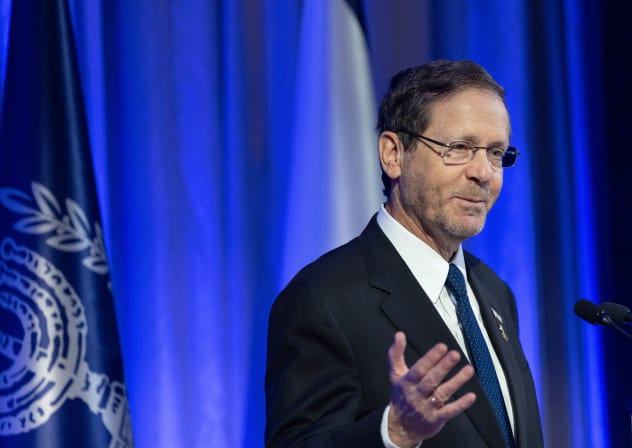
The legislation was passed with 43 lawmakers in favor and 39 against after a lengthy plenum debate. It was sponsored by Likud MK Moshe Saada.

"Tell Me Everything" had its world premiere at the Sundance Film Festival earlier this year, marking the first time in a decade that a full-length Israeli feature film was included in that festival.
The Shin Bet is investigating haredi anti-conscription protests after multiple disruptive incidents, amid concerns that future demonstrations could threaten government sites or officials.

“We need to prevent Palestinian women from entering," said Reznik. "The state funds and allows this. By 2050, there will be a Palestinian majority in the Negev.”
