FIFA to meet Iran officials in Istanbul over World Cup participation in the US
FIFA will meet Iranian officials in Istanbul to reassure Iran’s national team over World Cup participation, ensuring safe entry amid US and Canada restrictions.

FIFA will meet Iranian officials in Istanbul to reassure Iran’s national team over World Cup participation, ensuring safe entry amid US and Canada restrictions.


Israel-Lebanon ceasefire extended • Tehran giving mixed signals on US deal • IDF Chief Zamir visited UAE during war • China says it will not give Iran weapons • Hamas military chief targeted in Gaza
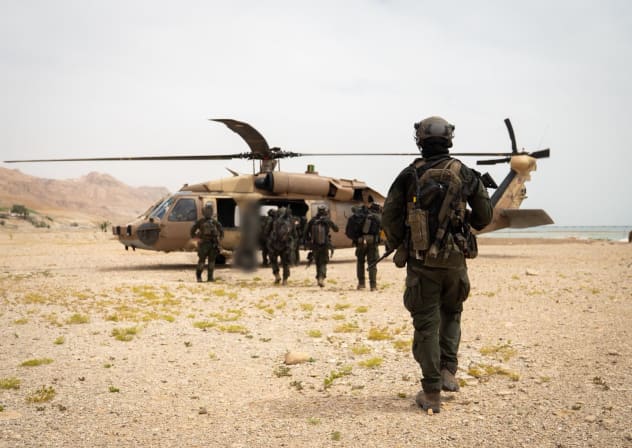
“We really had the confines of a deal….every time they make a deal, the next day it’s like we didn’t have that conversation,” Trump said.

The closure went into effect on Thursday night, according to an order from the IDF’s Commander of the Northern Command, MG Rafi Milo.

Both Israel and Lebanon have agreed on a framework for negotiations, including “full recognition of each other’s sovereignty and territorial integrity."

Izz ad-Din al-Haddad is the highest-ranking military commander of Hamas and the last leader of the October 7 massacre remaining in the Gaza Strip.

El-Sisi said Egypt faces severe water scarcity, with annual per capita water availability falling below 500 cubic meters.

To date, the ICC has not charged Hamas with any crimes committed against its own civilians. This filing, therefore, is the first by a Palestinian against the terror group.

The UAE attempted to convince Saudi Arabia, Qatar, and other Gulf states to coordinate a military response to Iran’s missile and drone attacks, but neighbors refused, sources told Bloomberg.
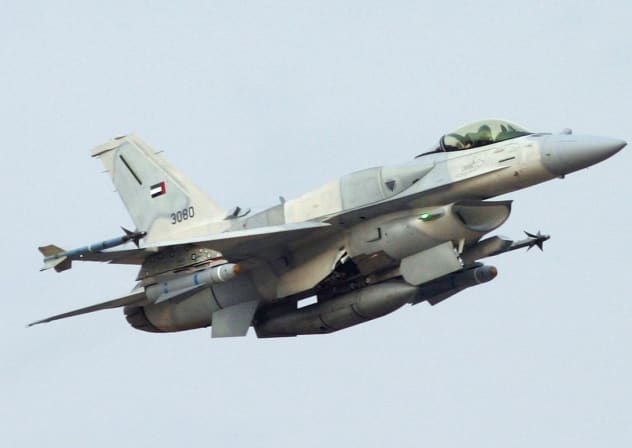
Iran's Foreign Minister Abbas Araghchi claimed during a BRICS meeting that despite foreign aggression towards Tehran, it is ready to "pursue and defend diplomacy."

IDF Chief Zamir visited UAE during Op. Roaring Lion • Trump 'not going to be much more patient,' says Iran can make deal or 'get annihilated' • President Xi promised China would not give Iran weapons
