Damascus begins public trials for individuals involved in Sweida sectarian violence
The attacks in July, 2025, were among the worst outbreaks of sectarian violence since Ahmed al-Sharaa seized power following the fall of the Assad regime in 2024.

The attacks in July, 2025, were among the worst outbreaks of sectarian violence since Ahmed al-Sharaa seized power following the fall of the Assad regime in 2024.


The main information on the Houthi movements comes from Al-Ain news in the UAE, which has good security sources in Yemen.

Additionally shown in the documents is Hezbollah’s false promise to join Hamas in its attack on Israel on October 7 due to its fear of Israel’s retaliation, as the Post has previously reported.

Iran is burying its former leader in a week-long ceremony. Will it now use the boost to try to claw back its influence across the Middle East?

"The process of filing a complaint after collecting evidence and documentation has begun and is being followed up," the Iranian government spokeswoman told reporters.

'We'll do everything to preserve UNRWA,' officials told the Post, describing the Board of Peace's decision as 'driven by the Israeli right wing, which seeks to destroy the Palestinian cause.'

“As a country where the Hormuz is part of its territorial waters, we will definitely charge service fees,” an official said, denying such charges were a toll.

“I am telling you that I am not in love with Israel, but give me another solution, whatever it may be,” Aoun said, according to the Lebanese television network.
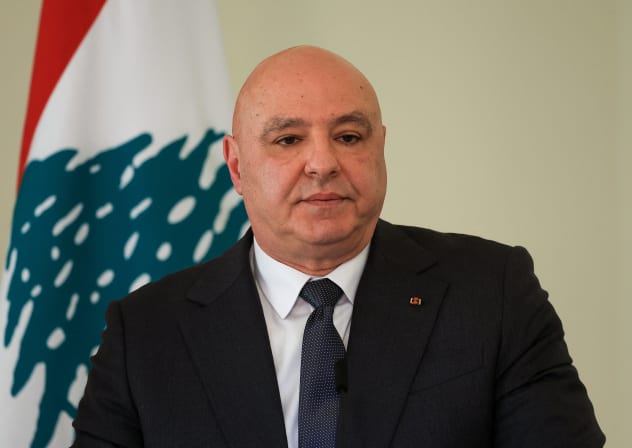
Political leaders from across the Middle East sent messages to President Trump on the Fourth of July, with many underscoring positive relations with the US and the nation's commitment to democracy.

Multiple Israeli officials have stated that the decision to send the Iron Dome battery and interceptors was made after Prime Minister Benjamin Netanyahu held a phone call UAE's Mohammed bin Zayed.

The funeral began on Saturday in Tehran with chants of "death to America, death to Israel," and his body is expected to be taken to Qom, Najaf and Kerbala, the great Shi'ite centers of Iran and Iraq.
