Trump asks Pentagon for Iran strike options before midterms - report
The White House has reportedly requested options for strikes before November 3, although no final decision has been made.

The White House has reportedly requested options for strikes before November 3, although no final decision has been made.


Tehran steps up its cultural crackdown, targeting cafes and theaters over mandatory hijab rules, 'vulgar' music, and on-stage contact.

"What happened on October 7 is a legitimate thing, okay? It's legitimate,” Advisor to the Paestinian Authority's Religious Affairs Ministry, Mahmoud Al-Habbash said.

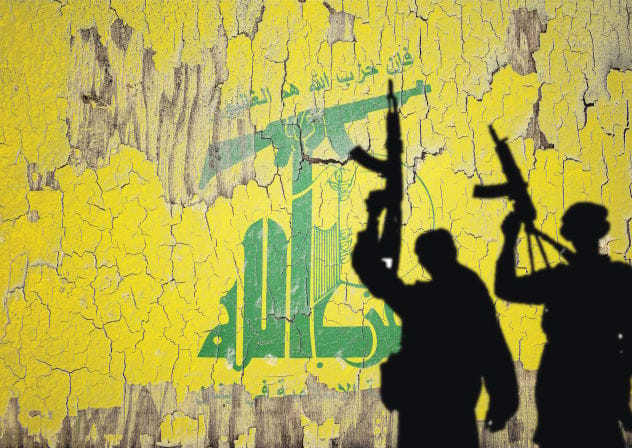
Hezbollah received the cash last month despite a tightening US economic chokehold on Iran and increasing difficulties in getting funds to Tehran's Lebanese ally.
Fifty-six countries, ranging from the United States, Britain, France and Germany to Bahrain, Morocco and Japan, reaffirmed their commitment to enforcing the the UN restrictions restored against Iran.

"People are running for their lives and finding nowhere safe to go," said IOM Director General Amy Pope, who called for more funding amid rising needs for food and shelter.

Turkish Foreign Minister Hakan Fidan, speaking to the media after a meeting of the Mecca alliance, said the sides had discussed what support to provide Saudi Arabia for its defensive capabilities.

“There will be no Tel Aviv, there will be no Ben-Gurion Airport, and there will be no Netanyahu,” said Amr Adib on MBC Egypt.

Omani first officer Hamam al-Hammami had allegedly been banned from flying by Omani authorities over concerns regarding his radical ideological views before he was hired by flydubai.

Vance says Iran must cut nuclear enrichment to end war • Defense officials concerned Iran may strike Israel amid US pressure • IDF to launch West Bank ops. to arrest October 7 sympathizers

Yemen's Iran-backed Houthis carried out a new round of strikes Wednesday, launching missiles towards Yemen's international airport, as well as the Saudi cities of Riyadh and Khamis Mushait.
