Bahrain takes aim at Iran at UN, warns Hormuz threat endangers global economy
Addressing the council, Al Zayani praised international efforts to maintain stability but pointed to what he described as escalating Iranian aggression.

Addressing the council, Al Zayani praised international efforts to maintain stability but pointed to what he described as escalating Iranian aggression.


"You and your friends will pay a very heavy price for the increased shooting at Israeli citizens while they are sitting down to celebrate the Seder Night,” Katz told Qassem in a video message.

The report describes what it calls the most significant political upheaval in Iran since the 1979 revolution, driven by a convergence of war, economic crisis, and a growing leadership vacuum.
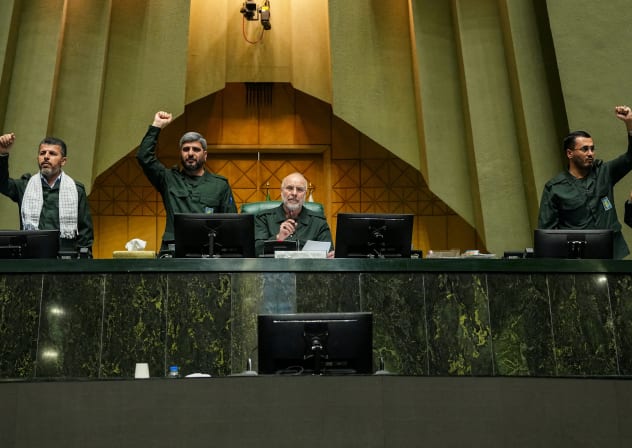
Amirhossein Hatami was among 11 men said to have been at imminent risk of execution, and who had been "subjected to torture and other ill-treatment in detention."

Pakistan, Turkey, Egypt, Indonesia, Jordan, Qatar, Saudi Arabia, and the United Arab Emirates emphasized the "urgent need to refrain from measures" that risk further inflaming tensions on the ground.

Amid the operations, Defense Minister Israel Katz warned Hezbollah leader Naim Qassem that he would not live to see the extent of the “very heavy price” the group would pay for its attacks.
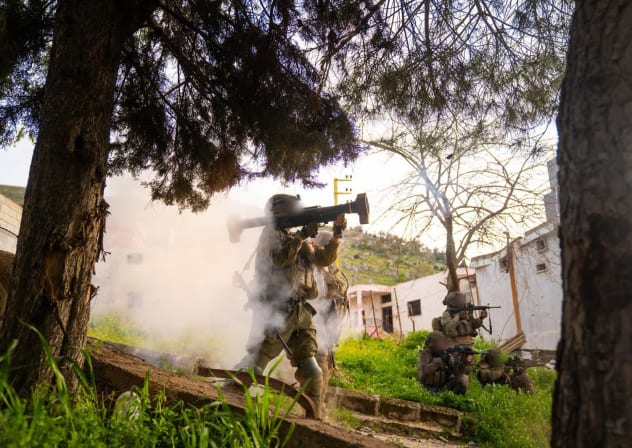
IRGC targets Amazon in Bahrain • IDF identifies a missile launch from Yemen • Two injured in latest Iranian missile barrage towards Israel

According to assessments conducted by multiple US intelligence agencies, the Iranian regime believes it is in a strong enough position to continue the war and not cede to US demands.

Bahrain's initial draft had explicitly invoked Chapter VII of the UN Charter, which allows the Security Council to authorize measures ranging from sanctions to military force.

Pezeshkian said that Iran has never initiated war in modern history, and urged the American people to consider whether their interests are really served in the war.

Mobarakeh, the largest industrial company in Iran and the biggest steel complex in the Middle East, was considered a cornerstone of the country’s economy.
