Qatar says Iran needs to show good intentions for mediation efforts to succeed
Qatar urged Iran to reopen the Strait of Hormuz and halt threats against Gulf states, saying Tehran must demonstrate goodwill for mediation efforts to succeed.
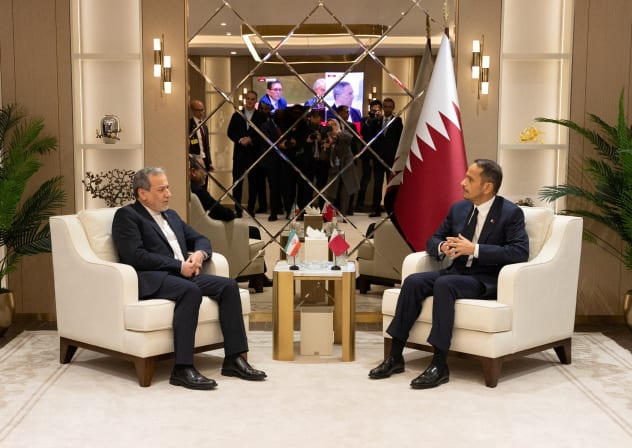
Qatar urged Iran to reopen the Strait of Hormuz and halt threats against Gulf states, saying Tehran must demonstrate goodwill for mediation efforts to succeed.


Tehran has sought to tighten its grip on the strategic waterway by attacking shipping there since US and Israeli airstrikes on Iran on February 28.

State media said Khamenei had stressed the importance of pursuing Iran's interests and maintaining its conditions for ending the war.

Authorities closed the al-Shib crossing last week as they upgraded security and detection equipment, an Iraqi official told Reuters on Wednesday.

Damascus has opened an investigation and is in direct contact with Amman after the strikes in Daraa, as Syrians mourn the dead.

There was no immediate comment from Syrian authorities, and it was not clear if the strikes were carried out after coordination with Damascus.

Former Biden liaison Shelley Greenspan joins Trump's Board of Peace to build bipartisan congressional support for the Gaza plan beyond his presidency.

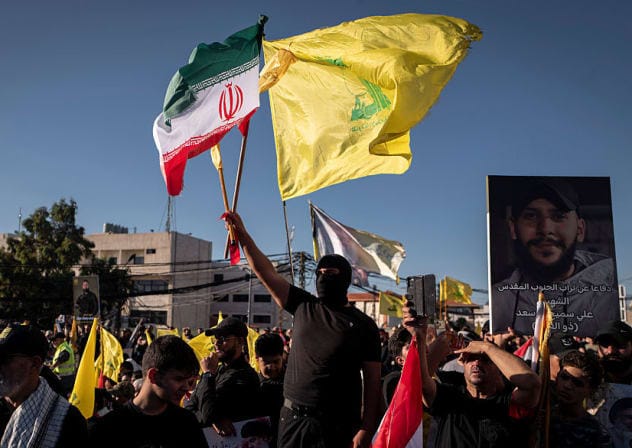
Hezbollah has remained committed to attacking Israel and has used a lull in hostilities since June to rearm, with a focus on procuring explosives and drones that can be used to attack IDF troops.
Putin will meet the Iranian President and Emir of Qatar after hosting leaders of a Gas Exporting Countries Forum in Moscow.

Articles analyzing Israel's October 27 election were published in media outlets based in Egypt, Qatar, Iran, Lebanon, the West Bank, and a London-based Qatari outlet.

Head of the Houthis’ Supreme Political Council condemned the Saudis for having allegedly given Epstein tapestries that had draped over the building that is the spiritual center of Islam.
