Trump: Houthis 'behaving very badly,' striking Saudi Arabia to drive up oil prices
US president says Turkish counterpart Erdogan would "do as I ask" on potential Turkish role against Houthis • US to make decision on Iran 'very soon,' Trump says

US president says Turkish counterpart Erdogan would "do as I ask" on potential Turkish role against Houthis • US to make decision on Iran 'very soon,' Trump says


Hezbollah has reportedly used the ceasefire to rebuild its forces in s. Lebanon, upgrade explosive drones to carry heavier payloads, and prepare for a possible wider war involving Israel and Iran.

The Jerusalem Post was able to locate profiles for girls as young as 13 being advertised for marriage. The profile also displayed a green notice indicating parental approval.

Hamas used Navi Pillay's Nobel Peace Prize win to renew demands for international legal action against Israeli officials, citing her commission's findings on the Gaza war.

Beyond their shared experiences of oppression and Islamist colonial occupation, the speakers also expressed concern about what they saw as a growing trend of Western women supporting regimes.

Saudi Arabia faces mounting pressure to respond to Houthi attacks, as analysts urge Riyadh to work with Israel, the UAE, and the US to counter the threat.

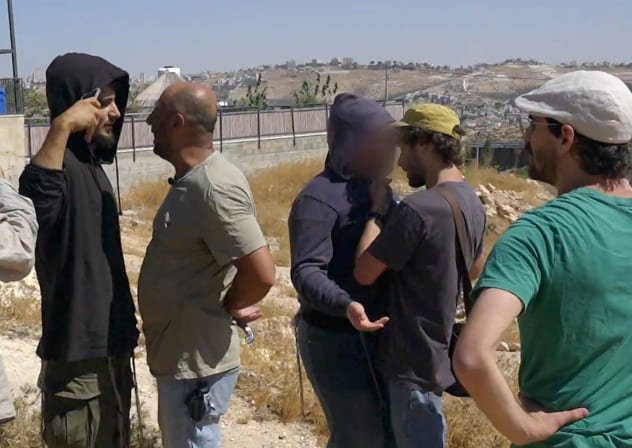
A West Bank settler told CBS that sheep grazing helps establish territorial boundaries, while acknowledging concerns that extremist settler violence could threaten Israel's relationship with the US.
The emerging picture is of an Iran continuing its efforts to rebuild its missile and drone programs despite the damage inflicted by previous US and Israeli strikes.

“We might have gone too far with the leaders because we don’t know who the hell we’re dealing with anymore,” the US president told supporters at a rally in Ohio.

Earlier on Tuesday, the Houthi spokesperson warned Saudi Arabia that any Saudi attack on Sana'a would be met with a "harsh" response.

Trump struggles in negotiations with Iran • Saudi Arabia destroys three drones north of Riyadh • Iran digs in for next war
