The Jerusalem Post
Jpost search icon google-icon iphone
  Set as Homepage
Wed, May 22, 2013   13 Sivan, 5773
newspapers magazines
 
    • Breaking News
    • Diplomacy & Politics
    • Defense
    • National
    • Mideast
    • Syria
    • Iran
    • World
    • Business
    • Sports
    • Health & Science
    • Environment
  • Video
  • Opinion
    • Columnists
    • Editorials
    • Op-Eds
    • Letters
  • Jewish World
  • Lifestyle
    • Arts & Culture
    • Food & Wine
    • Travel
  • Features
    • Insights & Features
    • Week in review
    • On the Web
    • Shalva Superheroes
    • Obama in Israel
  • Blogs
    • In the news
    • Judaism
    • From the Middle East
    • Lifestyle
    • Aliya
    • Science and Technology
  • JPost Apps
    • iPhone app
    • iPad app
    • Android app
    • Twitter
    • Facebook
    • RSS feeds
    • JPost Toolbar
    • JPost Newsletter
    • JPost Alert
  • Premium Zone
    • The Jerusalem Report
    • The Experts
    • 20 Questions
    • e-paper
    • Ivrit
    • Christian Edition
    • Dash
    • Magazine
    • Metro
    • In Jerusalem
  • French
    • Politique & Social
    • Affaires Palestiniennes
    • Diplomatie & Monde
    • Art & Culture
    • Israel
  • Green Israel
JPost Learn Hebrew  
Advertise with us  
Nefesh Guided Aliyah  
Eldan  
AFMDA  
Africa Israel Group  
Isram Group  
Kupat Ha  
JPost Twitter  
JPost Facebook  
Classifieds  


Breaking News
 
 
  • JPost.com
  • Middle East
 

Muslim Brotherhood fuel Jordan gas price protests

By JOANNA PARASZCZUK
11/18/2012 21:07
Tweet

Fuel prices, Riyadh’s refusal to grant loan are central issues; Gas pipeline explosions in Sinai cost Amman $7m. a day.

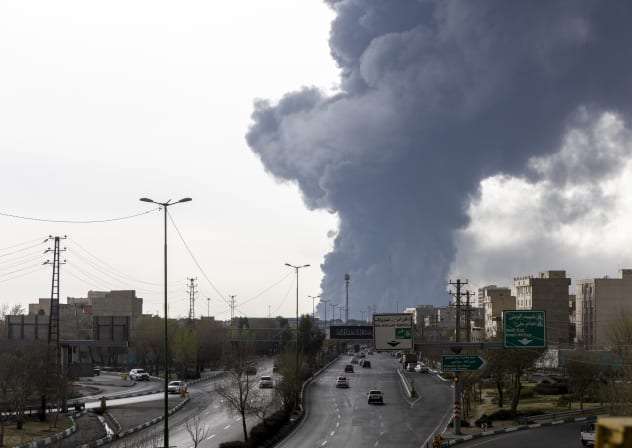
Protest in Jordan over gas prices.
Protest in Jordan over gas prices. Photo: REUTERS/Muhammad Hamed

Two interrelated factors – the Jordanian government’s decision to lift gas and other fuel subsidies and the rise of the Muslim Brotherhood – precipitated last week’s unrest in the Hashemite Kingdom, an expert said on Sunday.

The protests raised fears about the stability of Israel’s neighbor at a particularly volatile time for the region.

  • Protests erupt in Jordan after fuel prices rise
  • Protesters in Jordan capital call for King to quit

According to Prof. Hillel Frisch from Bar-Ilan University’s BESA Center, traditionally, Jordan’s monarchy has “bought the population,” appeasing them with heavy food and fuel subsidies.

When the Jordanian government announced its decision to lift the generous fuel subsidies last week, Prime Minister Abdullah Ensour said the country urgently needed to offset $5 billion in state losses.

The Muslim Brotherhood, a growing force in Jordan, has taken advantage of the protests, on Friday joining rioters in Amman who demanded the downfall of King Abdullah.

The rise of the Muslim Brotherhood, and its Jordanian political wing the Islamic Action Front, has impacted the increasingly volatile situation in Jordan, said Frisch.

The main opposition force to King Abdullah and the Jordanian government, the Brotherhood has also garnered considerable support from Jordan’s 2 million strong Palestinian population, the professor said.

“The Muslim Brotherhood is now the main Palestinian party even though its leader is from an East Jordanian background,” he noted.

Last week’s demonstrations also spread to the largest of Jordan’s 13 Palestinian refugee camps, Baqa’a, just outside Amman, where hundreds of young Palestinians burned tires and threw stones at police, according to reports.

Like protesters in Amman, the Baqa’a demonstrators shouted slogans against the high fuel costs, but also condemned Israel’s strikes on Gaza, according to Jordan’s Arabic daily Assabeel.

In an interview with Lebanon’s As-Safir newspaper at the weekend, the deputy controller general of Jordan’s Muslim Brotherhood, Zaki Bani Arshid, said that the Islamist group is “determined to stay on the streets and participate in all popular movements until the government reneges on its decision [to cut fuel subsidies].”

The strength of the Muslim Brotherhood is such that, during last week’s protests, the government approached Islamist leaders asking for its help in calming the streets.

However, the Brotherhood insisted that government first accede to several of its demands, including limiting the king’s constitutional powers, reversing the fuel subsidies decision and canceling the upcoming January 23 parliamentary elections and holding new ones under a new law, according to The Jordan Times.

On Thursday, referring to the Brotherhood’s threats to boycott the elections, Ensour said the protests only sought to “make the upcoming parliamentary elections a failure,” the Jordan Times reported.

In statements on Saturday, the Muslim Brotherhood denied their overall goal is to overthrow the regime, saying that they demanded only reform.

The dire economic situation is partly due to cuts in Egyptian gas supplies, which have spiked due to Islamists in the Sinai Peninsula repeatedly blowing up the pipeline that transports gas from Egypt to Israel and Jordan. The cuts cost Amman an extra $7 million a day.

According to Frisch, however, another a factor that has exacerbated Jordan’s economic situation has been the loss of financial support from oilrich Gulf states.

“The problem would have been more resolvable had the Gulf States been more forthcoming with aid,” Frisch said, referring to Saudi Arabia’s unwillingness to hand over cash this year to help keep Jordan afloat.

After the Arab Spring saw regimes in Egypt, Libya and Tunisia fall, oil-rich Gulf states have sought out allies in the region, and have focused on monarchies like Jordan.

Last year, Saudi Arabia gave Jordan a last-minute $1.4b. cash handout to keep Jordan financially stable but withheld aid this year, officials have said.

According to Frisch, the souring of relations between Jordan and its patron Saudi Arabia is a result of Amman’s reluctance to support the insurgency in Syria.

Jordan’s King Abdullah has resisted pressure from Saudi Arabia to use the kingdom as a “weapons depot” for rebel forces, because of fears of a backlash from Syria but also from the growing number of jihadist elements within the kingdom itself.

Already, some 3,800 Syrian rebels have entered Jordan since fighting began, according to The Economist, raising fears that they could provoke bloody retaliations from Bashar Assad’s forces as well as recruit Jordanian Salafist- Jihadists to their cause.

Amman’s concerns over the rise of Syria-linked extremists were raised last month, when a Jordanian soldier was killed in clashes with eight gunmen illegally attempting to cross the border with Syria. The soldier’s death came just hours after authorities in the Hashemite kingdom revealed they had foiled a major terror plot by a Salafist-Jihadist group linked to al-Qaida.

Frisch said that while it was hard to predict whether the current unrest in Jordan would ultimately lead to a real crisis for the Hashemite regime, the protests are the most serious situation the Jordanian monarchy has faced since Black September, the month in 1970 when Hashemite King Hussein moved to quash Palestinian militancy.

One solution is likely to be more money from Gulf states.

In September, Qatar signed a deal with Jordan to supply $1.25b. over five years to back economic reforms, according to the state run Petra news agency.

If the situation were to worsen, it is likely that Saudi Arabia would move to pump more money into Jordan to help stave off the crisis, Frisch added.

“Saudi Arabia cannot afford to lose the Hashemite kingdom,” he concluded.

  • Send
  • Large
  • Small
  • Print
  • Share
This article is by :
Joanna Paraszczuk

Follow @joannajpost
Recent stories:
  • Bahrain, Kuwait accuse Iran of 'interfer...
  • Iran ready to construct ‘world’s tallest...
  • 'Capturing Yarmouk camp another Syrian r...
  • Iranian official heads to Moscow for Syr...
Most Viewed in
1
Erekat throws his weight behind Kerry's peace bid
2
'Chaos caused by Libyan war delays action in Syria'
3
Activists: Hezbollah suffers big losses in Syria
4
PA official pours cold water on Kerry's visit
JPost Community
Tweet
Jordan King Abdullah gas price protests Muslim Brothehood demonstration
Share this article
Tweet
Share
Send
Your comment must be approved by a moderator before being published on JPost.com. Disqus users can post comments automatically.

Comments must adhere to our Talkback policy. If you believe that a comment has breached the Talkback policy, please press the flag icon to bring it to the attention of our moderation team.
JPost Services
conferenceConference
newsletterNewsletter
iphoneMobile Apps
kotelcamKotel Cam
kolboJPost Alert
premiumPremium
JPost TV News  
Mobile Apps  
Bank Hapoalim  
Meir Panim  
Yad Ezra  
Rambam Hospital  
TourLuxe  
Zev Goldstein PLLC  
Penrose Gallery  
JPost Premium Zone  
JPost kotel Camera  
         
 
Israel Focus
JPost TV News
Coming soon to a screen near you!  
Nefesh B'Nefesh Guided Aliyah
Already living in Israel? Enjoy the Benefits of Aliyah!  
Give "Freedom" this Passover
to needy Israeli families. Donate now  
War Threatens
Protect the People of Northern Israel  
China Suppliers
 
Intelligence Squared
The international debate forum, announces it is coming to Israel  
Bank Hapoalim
Israeli's number one bank  
Jerusalem Post Lite
Lite Edition of the Jerusalem Post for English improvement  
Learn Hebrew with us
Get 10 minutes free personal coaching in Hebrew through phone or Skype  
JPost newspapers
Sign up for the JPost newspapers and receive one month free subscription  
Kosher English Magazine
English language weekly magazine - especially for religious people  
JReport Kindle Edition
Now you can get the Jerusalem Report directly to your Kindle  
JPost Premium Edition
The very best articles are available only in our Premium edition  
Lifestyle Magazine
 
 
Real Estate
Don't Look For a House!
In Israel, our website will do it for you!  
 
Travel
Eldan Rent a Car
20% off all Car Rental Reservations in Israel  
Hertz Car Rental
Special Online Discounts!  
The King David Jerusalem Hotel
One of the world's truly iconic hotels, and a Jerusalem landmark  


Sites Of Interest:

Jerusalem Hotels
KKL-JNF
Poalim Online
BreitBart.com
Our Friends
Jerusalem Attractions
Jerusalem Tours
itraveljerusalem.com

JPost sites:

Learn Hebrew
The Jerusalem Report
Our Magazines
JPost Edition Francaise
Green Israel
Christian World
Jerusalem Post Lite

Services:

JPost Mobile Apps
JPost Premium
JPost Newsletter
JPost Toolbar
JPost News Ticker
JPost RSS feeds
JPost Archives
JPost Alert
JPost Kotel Cam

JPost Conferences:

NYC Conference
Diplomatic Conference

Information:

About Us
Feedback
Staff E-mails
Copyright
Sitemap
News Partners
Advertise with Us
Statistics
Ad Specs
Terms Of Service
Jpost.com, the online edition of the Jerusalem Post Newspaper - the most read and best-selling English-language newspaper in Israel. For analysis and opinion from Israel, the Jewish World and the Middle East. Jpost.com offers expert and in-depth reporting from Israel, the Jewish World and the Middle East, including diplomacy and defense, the Palestinian-Israeli conflict, the Arab Spring, the Mideast peace process, politics in Israel, life in Jerusalem, Israel's international affairs, Iran and its nuclear program, Syria and the Syrian civil war, Lebanon, the Palestinian Authority, the West Bank and Gaza Strip, Israel's world of business and finance, and Jewish life in Israel and the Diaspora.
 
About Us | Advertise with Us | Subscribe | Premium | Newsletter | RSS | Contact Us
 
All rights reserved © The Jerusalem Post 1995 - 2012