Ben-Gurion Airport delays stretch into third day as strike effects continue
IAA workers’ union chairman Pinchas Idan rejected allegations of responsibility during an interview with KAN, instead blaming the airport manager for the chaos.

IAA workers’ union chairman Pinchas Idan rejected allegations of responsibility during an interview with KAN, instead blaming the airport manager for the chaos.


Rising Star runner-up Gal De Paz will make her theatrical debut portraying Israeli music icon Shoshana Damari in a new biographical musical tracing the singer’s life and career.

"We do not prepare because we want disaster to come. We prepare because if it does, someone has to be ready."

Born in London in 1958, Langford was the daughter of British television director Barry Langford and moved to Israel with her family when she was 14.

Security source says IDF "is not underestimating the threat," but will need to "wait and see if this becomes a trend" • Military believes Hamas using Palestinian teenagers to launch kites into Israel

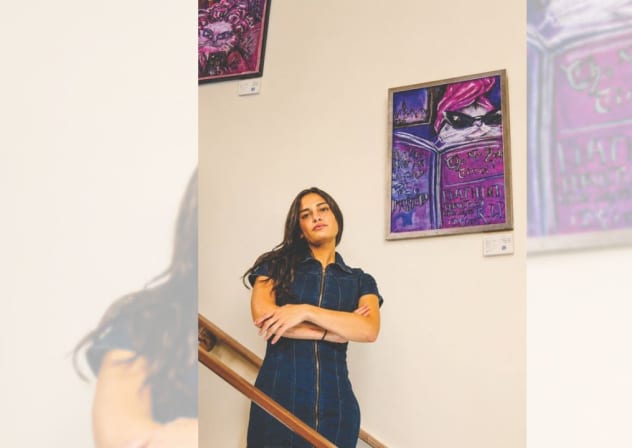
Oze’s signature style filters big, uncomfortable themes through a distinctly feminine lens – bright, playful, and unmistakably her own.
Man, 24, moderately wounded in West Bank stabbing • "My brother was [standing] outside the car, while his wife and children were inside," Shlomo Hanaya, the victim's brother, said

The IDF noted that the continued engineering activity in these areas also prevents Hezbollah from carrying out guerrilla operations.

National-Religious men were found to have increased in service substantially from the start of the war until 2025, while the participation of secular men decreased the most of any group.

One person was killed as a result of the incident itself; two others were shot and killed by Israeli security forces.

"When a community member is elected by a large public, when a community member reaches positions of influence at the core of politics, it sends an important message," the association wrote.
