Netanyahu, Trump discussed possibility of renewing strikes against Iran before elections - report
Senior US officials told Axios that Netanyahu cited alleged Iranian efforts to rebuild nuclear capacity as the reason for launching new strikes.
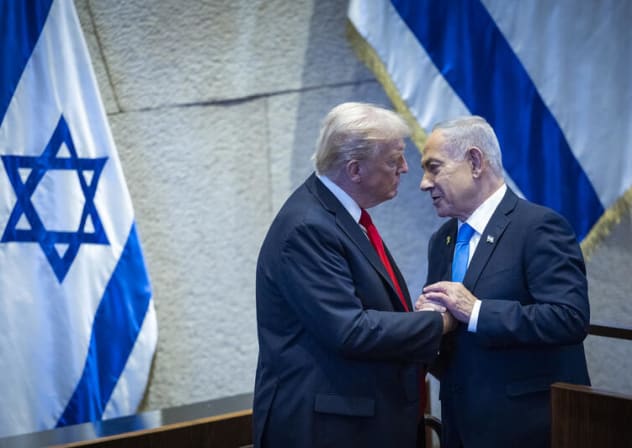
Senior US officials told Axios that Netanyahu cited alleged Iranian efforts to rebuild nuclear capacity as the reason for launching new strikes.


“I think there’s a great importance to our diplomatic relations and connections,” Ben Gvir said in response to a question submitted by The Jerusalem Post.

According to KAN, the family was at home when the rioters knocked on the door around 3 a.m., claiming to be military personnel. The settlers fled the area after the attack.

Two weeks before Israel heads to the polls, Trump left the door open to endorsing a candidate in Israel's October 27 election but made no commitment to back Netanyahu or any other contender.

Justice Minister Yariv Levin vowed to fundamentally reshape Israel's Supreme Court if the Right wins the October 27 elections, calling the vote a historic opportunity for judicial reform.

Bennett calls for bringing Israeli talent home as political leaders address venture capital summit ahead of elections.
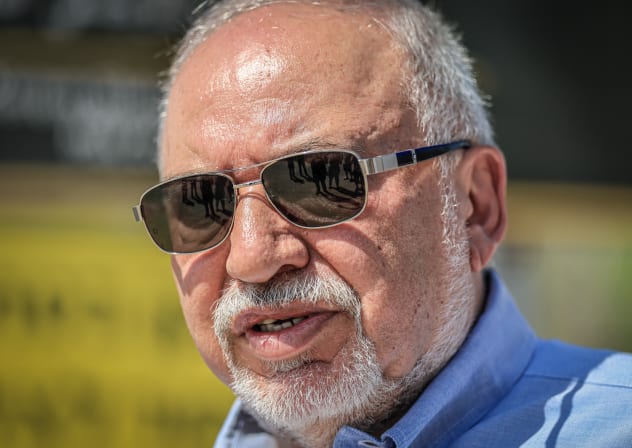
First international forensic conference on Oct 7 led by Hadassah Medical Center in partnership with the Museum of Tolerance Jerusalem forensic experts shared accounts of efforts identify victims

Israel Bonds, whose official title is the Development Corporation for Israel, is a vital component in Israel’s economic engine.

The 18-year-old is suspected of serious offenses against national security, membership in a terrorist organization, and preparing to commit a terrorist act.
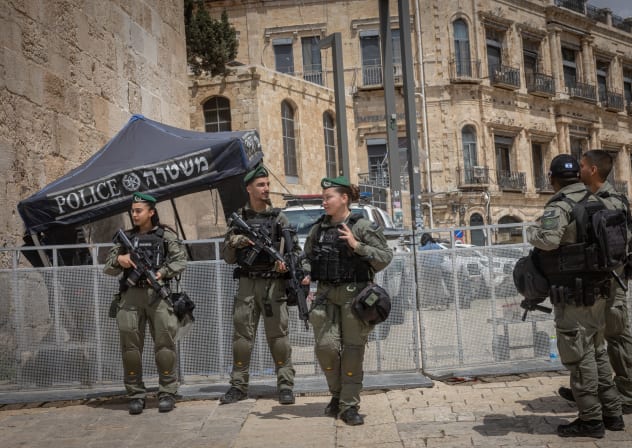
“I will examine you as a gynecologist and as a lover,” he wrote to one patient, according to the judgment. She was a 19-year-old soldier whom he treated while serving as a military doctor.

The court issued an order requiring the respondents to explain why a 2024 law should not be interpreted to require the rabbis to also appoint women as representatives in the electoral assembly.
