Grapevine, July 3, 2026: Presidential terms
Movers and shakers in Israeli society.

Movers and shakers in Israeli society.


Separately, Israel Police on Thursday arrested a resident of the West Bank town of Tarqumiyah suspected of being involved in the criminally motivated kidnapping of an IDF soldier.

"The way we look today at an emerging threat, our approach toward the enemy is different. Today there is no such thing as no response. That thinking is different from before," the officer said.

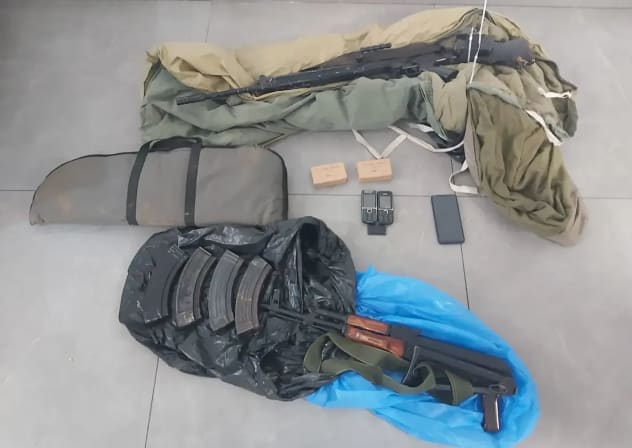
A special investigative team was established in recent weeks after intelligence raised suspicions that an active reservist was involved in weapons trafficking.
Meanwhile, the poll found that the Bennett-Lapid Together Party stopped its slide, stabilizing at 20 seats, and Gadi Eisenkot's Yashar! Party fell one seat, also to 20.

According to Army Radio, two other soldiers were lightly wounded in the incident but did not need to be evacuated to the hospital for treatment.

"It is fitting and proper that they [soldiers] be first in the order of priorities to receive the nation’s appreciation through its decisions and allocation of resources," said Zamir.

"We will continue to plant, to build, to nurture life, and to choose hope. And so our answer is one and the same: to keep planting, building, nurturing life, and choosing hope,” Herzog said.

The warnings came amid debate in 2026 defense spending discussions, in which the Finance Ministry rejected the Defense Ministry's petitions to increase spending by NIS 40 billion.

Officers from the Israel Police's Counterterrorism Unit (YAMAM) apprehended the suspect, while Shin Bet provided intelligence support to the forces, the statement said.

The girl's screams, clearly audible in the final seconds of a video documenting the drama, are heard by passing drivers, who realize something bad is unfolding and jump into action.
