Suspected drunk driver wounds multiple pedestrians at Beersheba Lag Ba'Omer celebration
MDA reported that three individuals were evacuated to Soroka Hospital in light condition.
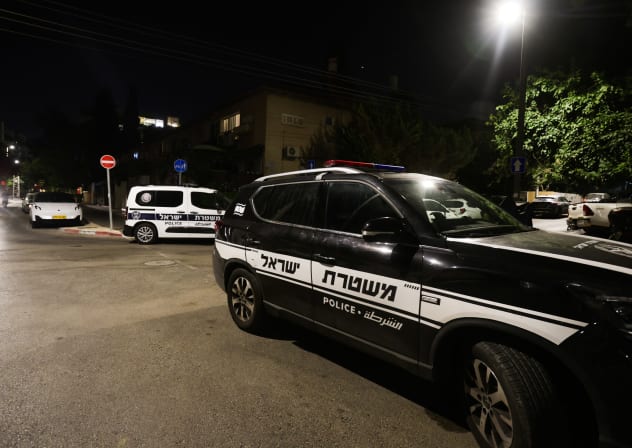
MDA reported that three individuals were evacuated to Soroka Hospital in light condition.


This question of how to present October 7 has haunted the country in many different ways. The commemoration is in our hands – and we should not let it slip away.

For the first time in two years, the awards were held without special categories devoted to broadcasting during a crisis and wartime.

Nir Oz has become a symbol of the tragedy of October 7. Today, the community is trying to recover and a key to recovery is making people feel safe and secure to return and live here.

The aim is to open criminal proceedings against all possible parties involved; traders, exporters, and offshore entities that may have enabled breaches,” Ambassador Yevgen Korniychuk said.

"Our air defense systems and attack capabilities are prepared at a high level which is something which has not changed since the ceasefire decision," the IDF official said.

Noam Bettan rehersed his song "Michelle," to be performed at the Eurovision semifinals, and showed off the new costumes for himself and the backup dancers.

The new party, Alliance of Brothers, aims to unite Druze citizens of Israel and empower them to influence the public agenda.

Forces within Israel's defense establishment, for the first time since October 7, are questioning the basic foundations of current Israeli strategy versus Hamas.
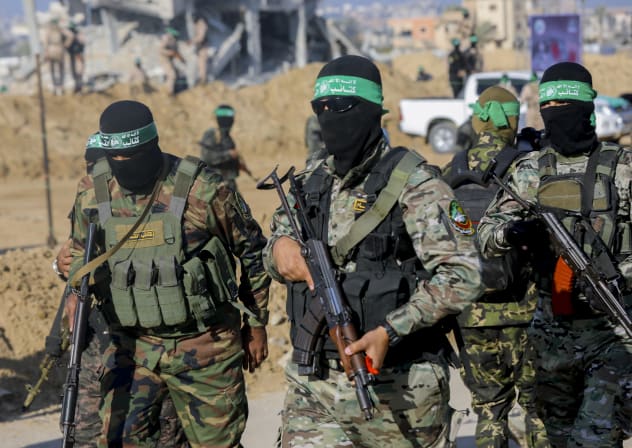
Dozens of explosive devices and anti-tank missiles were located in the tunnel, with several weapons storage facilities additionally located in the area around the tunnel.

The decision, issued by Justices Ofer Grosskopf, Alex Stein, and Gila Canfy-Steinitz, followed a hearing on Levin’s continued refusal to fully convene the committee.
