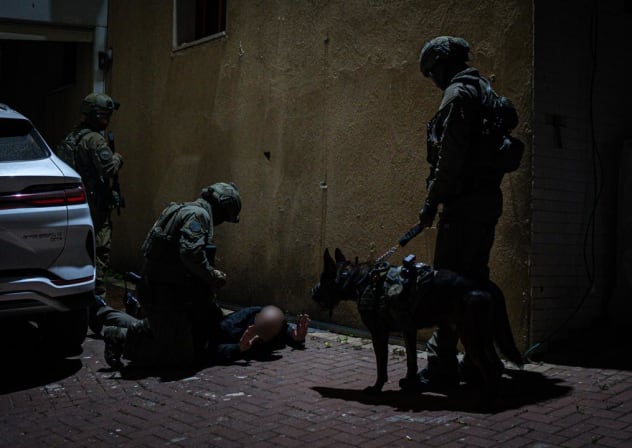
Despite police efforts to stamp out the use of firearms in the Arab sector, gun
crime rose by 7 percent in the first three months of 2012 in comparison to the
same period last year, police said Monday.
In 2011, in 557 cases a
firearm was used during the commission of a crime, with 579 arrests made for
firearms offenses, police said.
The police and the Public Security
Ministry have been the subject of continued criticism from the Arab sector due
to the mayhem caused by gun violence in Israel’s Arab towns and villages. Just
last weekend, three Israeli Arabs were murdered across the country in the latest
round of violence.
For their part, police and Public Security Minister
Yitzhak Aharonovitch (Israel Beiteinu) have repeatedly stressed the importance
of fighting gun violence, calling time and again on Arab leaders and citizens to
help police rid the sector of illegal firearms.
On Monday, police released figures revealing an arsenal of firearms seized over
the past three months in Israel. According to the figures, in the first
three months of 2012, police seized 110 pistols, 70 assault rifles, 50 grenades,
15 explosive devices, 2 kilos of TNT and three shoulder-fired
missiles. Police believe that all of the weapons had been or were set to
be used by criminal elements.
Guns have traditionally made their way into
Israel from Jordan or the West Bank, or have been stolen from IDF storehouses
and soldiers – but recently, police said they have come across cases in which
private citizens produced their own improvised assault rifles in home
labs.
Though firearms are prevalent in the Arab sector, they are anything
but cheap. A handgun costs between NIS 8,000 and NIS 10,000, a homemade assault
rifle from NIS 15,000 to NIS 20,000, and an M16 rifle stolen from the IDF can go
for as much as NIS 30,000 to NIS 50,000, according to police
estimates.
Northern police head Cmdr. Roni Atiya said Monday that
collecting illegal firearms is his district’s top goal for 2012.
“Guns
that are in the hands of criminals end up being used in shootings or endanger
the lives of law enforcement officers and public figures,” Atiya said. “It is
our obligation to dismantle this network and bring the criminals to
justice.”
One method used by police has involved sending undercover cops
to weddings in Arab towns and villages – where they wait for celebratory gunfire
and then shut down the party, make arrests and seize firearms. They have also
enlisted the help of Arab sheikhs and community leaders to speak out against the
use of guns at weddings and to boycott or walk out of events where celebratory
gunfire is used.
Cmdr. Michael Shefchek, head of the police’s YAMAR
investigative unit, told The Jerusalem Post Monday that guns are not at all
difficult to purchase in the Arab sector if you have the right
resources.
“If an innocent person walks into an Arab village and asks to
buy guns he will get a beating and no guns. But if you’re someone who knows
people and you have the money, it’s not hard at all,” he said.
Shefchek
said that while the prevalence of gun violence is by no means new among the Arab
population, police have put a greater emphasis on fighting the phenomenon as of
late, primarily due to the suffering it has caused Israel’s Arab
citizens.
Police released the figures on Monday, a day after Prime
Minister Binyamin Netanyahu called on Israel’s Arab youth to join the national
service and fight crime in their own communities.
“Reducing crime in the
Arab sector is a goal of the government and it needs to be a goal of the
country,” he said at Sunday’s weekly cabinet meeting.