IDF captures Palestinian man who murdered son, burned his body, infiltrated Israel
The man had taken his 12-year-old son to the Palestinian village of Beit Ur, near Ramallah, and stabbed him near an agricultural area of the town.

The man had taken his 12-year-old son to the Palestinian village of Beit Ur, near Ramallah, and stabbed him near an agricultural area of the town.


Jerusalem maintains a slim one-point lead over Hapoel Beersheba in the title race, as Yellow-and-blue is fading.

Dimitrios Itoudis’s squad came out with a ton of energy early, thanks to impressive play on the inside by Dan Oturu, as Hapoel grabbed a 42-40 advantage at halftime.

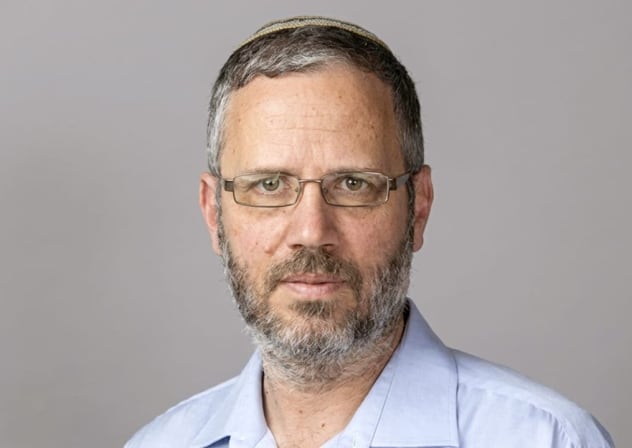
He is a close associate of Smotrich, which led to criticism over the appointment. Malachi also had previously served as the treasurer of a council governing over 40 West Bank settlements.
Screenings will take place at venues in Tel Aviv, Jerusalem, Haifa, Herzliya, Sderot, and Holon, as well as at the Anis Cultural Center in Jaffa, and other locations.

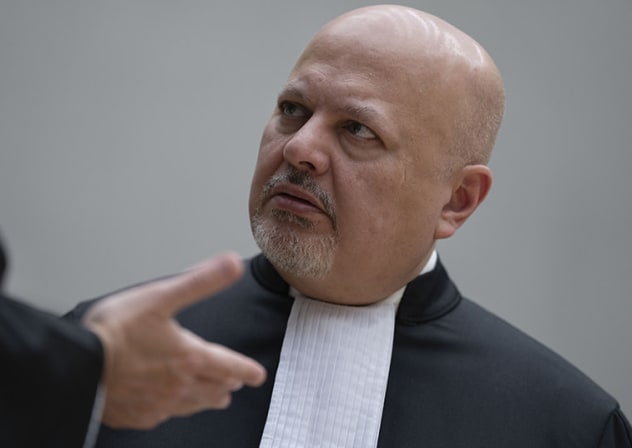
Shurat HaDin accuses Doha of bribing ICC prosecutor Karim Khan and using private intelligence operatives to target his alleged sexual assault victim, calling for an urgent international investigation
The coach, a foreign national in his 50s living in Israel, was released under restrictive conditions after questioning at the Lev Tel Aviv police station.

The “Poalim Israeli” initiative will offer free entry on three Friday-Saturday weekends in May, with advance registration required.

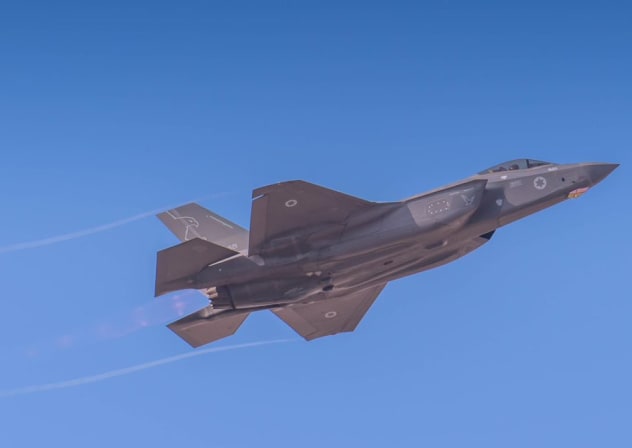
Although Israel doesn’t have aircraft carriers or the ability to project its air power globally, additional F-35 purchases makes Israel a global leader in the use of the aircraft.
Over the past day, several caches of Hezbollah weapons were discovered, including rockets, Kalashnikov rifles, and sniper rifles.

Nine people were injured in the four accidents.