Netanyahu, Trump spoke on Friday, agree to meet 'soon' in the US
Netanyahu and Trump last met on February 11, 2026. Later that month, the United States and Israel jointly attacked Iran.
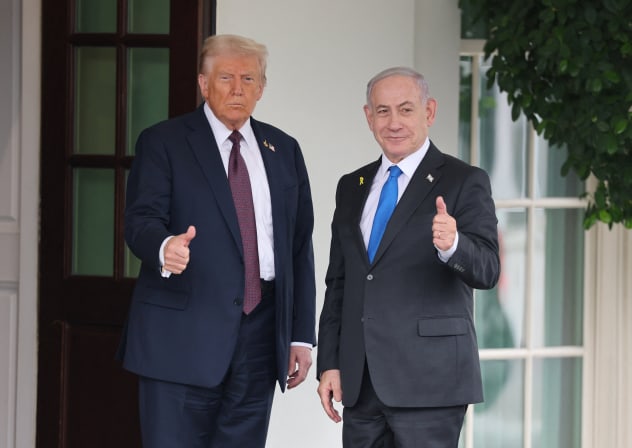
Netanyahu and Trump last met on February 11, 2026. Later that month, the United States and Israel jointly attacked Iran.


The course maintained full IDF standards, including all the instruction given to cadets at the IDF's Officer's School (Bahad 1), and allowed the graduates to maintain their haredi lifestyle.

According to police, a number of people gathered around the activists, who had set up a stand, and physically and verbally attacked them.

POLITICAL AFFAIRS: PM Netanyahu’s emerging campaign is built around a simple proposition: The political boycott against him is losing its rationale, and a broader coalition is again possible.

In his letter to Trump, Herzog thanked the American president for his "steadfast commitment to Israel's security. May you continue to lead the Middle East and the world toward peace and security."

The star has participated in, among other shows, Channel 13's reality documentary Goalstar, which involves celebrities playing soccer.

At the same time, the IDF continues to operate against smuggling attempts through Israel’s eastern and western borders.

Movers and shakers in Israeli society.

It noted that over the past few years, the IDF and US army have "demonstrated a level of partnership, professionalism, and innovation unmatched in modern warfare."

Muhammad Naim Jandia had been the head of military security for Hamas's Shajaiyah Battalion and had taken part in the kidnapping of Captain Daniel Perez during the massacre.

Shaulov and his passengers did not need to be taken to the hospital, Magen David Adom stated.
