Israel just quadrupled its PR budget to $730M, experts claim it won’t work
Israel has quadrupled its public diplomacy budget to $730 million, but experts say no amount of PR can reverse damage caused by policy and the war in Gaza.

Israel has quadrupled its public diplomacy budget to $730 million, but experts say no amount of PR can reverse damage caused by policy and the war in Gaza.


Bennett unveiled in a Wednesday interview with The Jerusalem Post his plan to bring one million new olim to Israel over the next decade.

Meanwhile, an IDF drone pursued and hit a Hezbollah terrorist attempting to flee on a motorcycle.

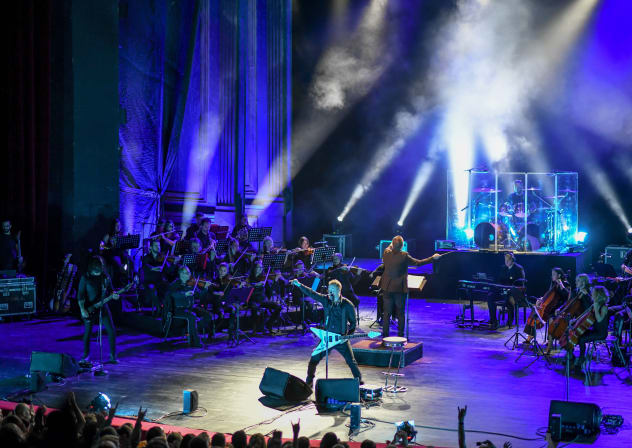
This Serbian-based project is considered one of Europe’s leading tribute shows, blending Metallica’s iconic hard rock with a full symphonic ensemble.
Members of the anti-IDF draft Jerusalem Faction protest blocked Jerusalem’s Chords Bridge, causing traffic disruptions as Israel Police worked to restore order.

IDF penetrates deeper into Hezbollah territory in southern Lebanon, killing 130 fighters and destroying a major tunnel network, all with less air support than in 2024.

“A free trade agreement will be decided upon that will open the doors wide for Serbian and Israeli companies," said Serbia's Foreign Minister Marko Djuric.

Yashar! Party Chairman Gadi Eisenkot pledges to place a Druze candidate in a "realistic" spot on the party's Knesset election list, following a tour of Druze towns.

Dichter, a member of the security cabinet, offered a rare glimpse on Wednesday into the decision-making constraints shaping Israel’s conduct on the northern front.

The study, published on Wednesday by Shoresh researcher Yael Mishly, argues that Israel’s housing market has a deeper problem than a simple shortage.

Sharon, who was an English teacher at a middle school, committed the offenses over a period of about two years, when the student was between the ages of 12 and 14, according to the prosecution.
